
Stein Sacks: ADA Lawsuits and Legal Claims.
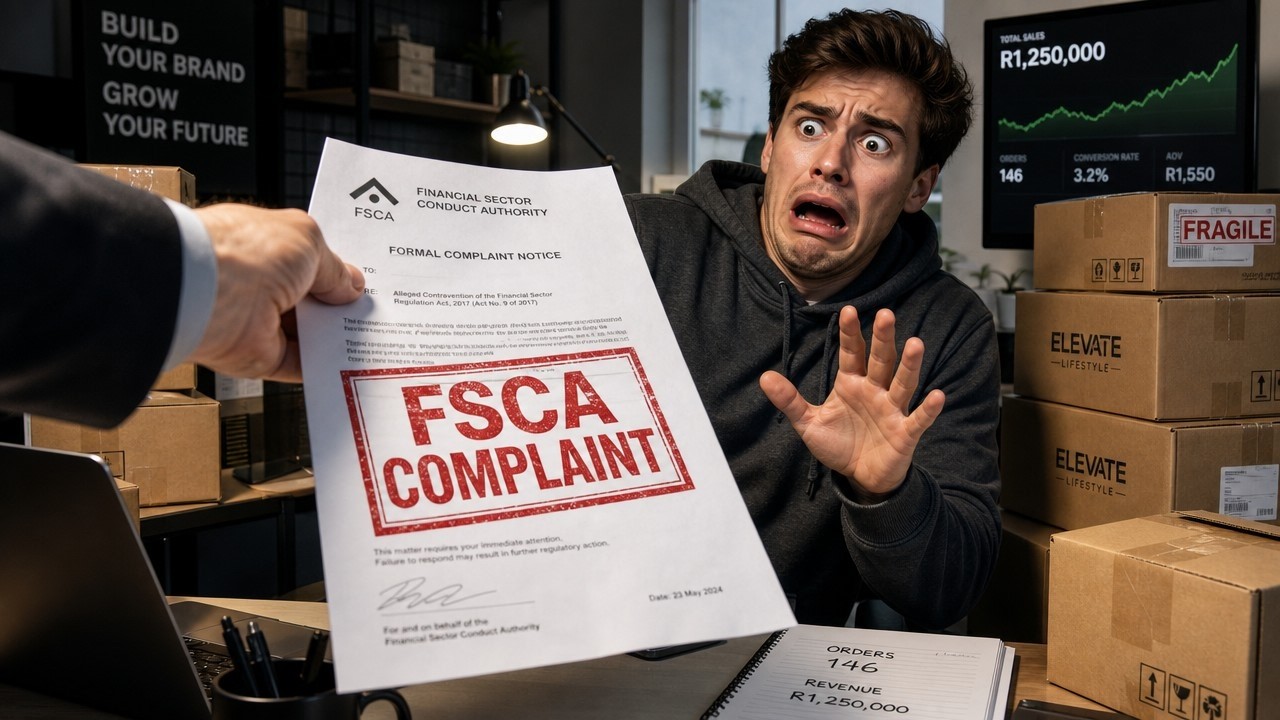
Stein Sacks, PLLC, is a law firm that sends legal claims and lawsuits alleging that a business's website is inaccessible to visually impaired users under the Americans with Disabilities Act (ADA). These claims typically demand immediate compliance, attorney's fees, and sometimes monetary damages. Businesses served with a Stein Sacks lawsuit should consult an ADA defense attorney promptly rather than ignore the claim or pay without review.
Website accessibility lawsuits have surged over the past several years, and many business owners are caught off guard when they receive a legal claim referencing ADA violations tied to their websites. These claims often arrive suddenly, citing technical barriers that prevent screen-reader users from navigating a site effectively.
Understanding how these claims work — and how to respond — can mean the difference between a costly settlement and a swift, defensible resolution.
What Is a Stein Sacks ADA Lawsuit?
A Stein Sacks leagl claim typically alleges that a business's website fails to meet accessibility standards under the ADA, most often referencing the Web Content Accessibility Guidelines (WCAG) 2.1 as the benchmark for compliance. These letters commonly claim that a visually impaired plaintiff attempted to use the website with screen-reading software and encountered barriers preventing full access to goods, services, or information.
The claim usually demands that the business:
Remediate the website to meet WCAG 2.1 AA standards
Pay the plaintiff's attorney's fees
In some cases, pay statutory or compensatory damages, depending on state law
Why Are These Claims Increasing?
ADA website litigation has grown substantially because the ADA does not include explicit statutory language addressing websites. Courts have interpreted Title III of the ADA — which prohibits discrimination in "places of public accommodation" — differently across jurisdictions, with some extending coverage to websites and others requiring a connection between the website and a physical location. This lack of uniform federal guidance has created opportunities for serial plaintiffs and their attorneys to file large volumes of similar claims.
Should a Business Ignore a Stein Sacks Legal Claim?
No. Ignoring a legal claim does not make the claim disappear and often results in the filing of a formal lawsuit, which increases legal costs and potential exposure. Businesses should treat any ADA-related claim as a serious legal matter requiring prompt attention.
How Can a Business Respond to an ADA Website Claim?
An experienced ADA defense attorney can evaluate several potential defense strategies, including:
Challenging standing: Determining whether the plaintiff actually attempted to use the website and suffered a genuine barrier to access.
Reviewing mootness: If the website has already been remediated or is in the process of remediation, this may reduce or eliminate liability.
Assessing nexus requirements: In some jurisdictions, plaintiffs must show a connection between the website and a physical place of public accommodation.
Negotiating settlement terms: Where liability is likely, counsel can negotiate reduced fees and reasonable remediation timelines rather than accepting the plaintiff's initial demand.
What Happens If the Case Goes to Court?
If a resolution isn't reached, the matter may proceed to litigation. ADA lawsuits generally require businesses found liable to bring their websites into compliance, cover their own attorney's fees, pay the plaintiff's attorney's fees, and potentially pay damages, depending on the state's laws. Because litigation costs can escalate quickly, many businesses find it more cost-effective to resolve these claims early with the guidance of experienced defense counsel.
How Can Businesses Reduce Future ADA Website Risk?
Proactively auditing a website against WCAG 2.1 AA standards is the most effective way to reduce exposure to future claims. This includes ensuring compatibility with screen readers, providing text alternatives for images, and maintaining accessible navigation and form fields. Regular accessibility audits, particularly after website redesigns, can help identify and correct barriers before they result in legal claims.
Take Action Before Costs Escalate
Receiving a Stein Sacks ADA claim can feel alarming, but it doesn't have to result in a drawn-out legal battle. Prompt legal guidance can help business owners understand their options, evaluate potential defenses, and pursue a resolution that limits legal exposure. Businesses facing these claims should consult with an ADA defense attorney as soon as possible to protect their interests and their bottom line.
Frequently Asked Questions
What is the ADA standard for website accessibility? While the ADA does not name a specific technical standard, courts and settlements frequently reference WCAG 2.1 Level AA as the benchmark for compliance.
Can I be sued even if my website has a physical store? Yes. Many lawsuits target businesses with both physical locations and websites, arguing that the website itself serves as an extension of the place of public accommodation.
How much does an ADA website lawsuit typically cost to resolve? Costs vary widely depending on the jurisdiction, the extent of alleged violations, and whether the case settles early or proceeds to litigation, but expenses generally include remediation costs, attorney's fees for both sides, and possible damages.
Is it possible to avoid liability entirely? In some cases, yes — particularly if the plaintiff lacks standing, the website was already compliant, or the claim doesn't meet jurisdictional nexus requirements. An attorney can assess which defenses apply.

















Comments