
ADA Website Requirements for Hotel Reservation Systems
Under the Americans with Disabilities Act, hotels must provide accessible online reservation systems that allow guests with disabilities to identify and book accessible rooms independently. Key requirements include accurate room descriptions, accessible website design, and alternative booking options for users who need them.
The Americans with Disabilities Act (ADA) extends well beyond physical accommodations. For hotels and hospitality businesses, compliance includes the digital experience—specifically, how guests book their stays online. As more travelers rely on digital platforms to plan their trips, the accessibility of online reservation systems has become a critical compliance consideration.
What Do ADA Regulations Require for Hotel Reservation Systems?
The Department of Justice (DOJ) and the Department of Transportation have established clear guidelines requiring hotels to make accessible rooms available. This means a guest with a disability must be able to identify, select, and reserve an accessible room online—without needing to call or seek alternative assistance.
Specifically, hotels are required to:
Describe accessible features of the property and guest rooms in enough detail for guests to assess whether the accommodations meet their individual needs
Hold accessible rooms in inventory until all other room types are sold out
Reserve accessible rooms for people with disabilities until those rooms are the only ones remaining
Provide equivalent access across all booking channels, including third-party platforms
Key Elements of an Accessible Online Booking Experience
An ADA-compliant reservation system goes beyond listing "accessible rooms" as a checkbox. Compliance requires a functional and informative booking interface. The following elements are essential:
1. Detailed Accessibility Descriptions: Room listings must include specific details—such as door widths, bathroom grab bar configurations, roll-in shower availability, and bed heights—rather than vague descriptors like "accessible room."
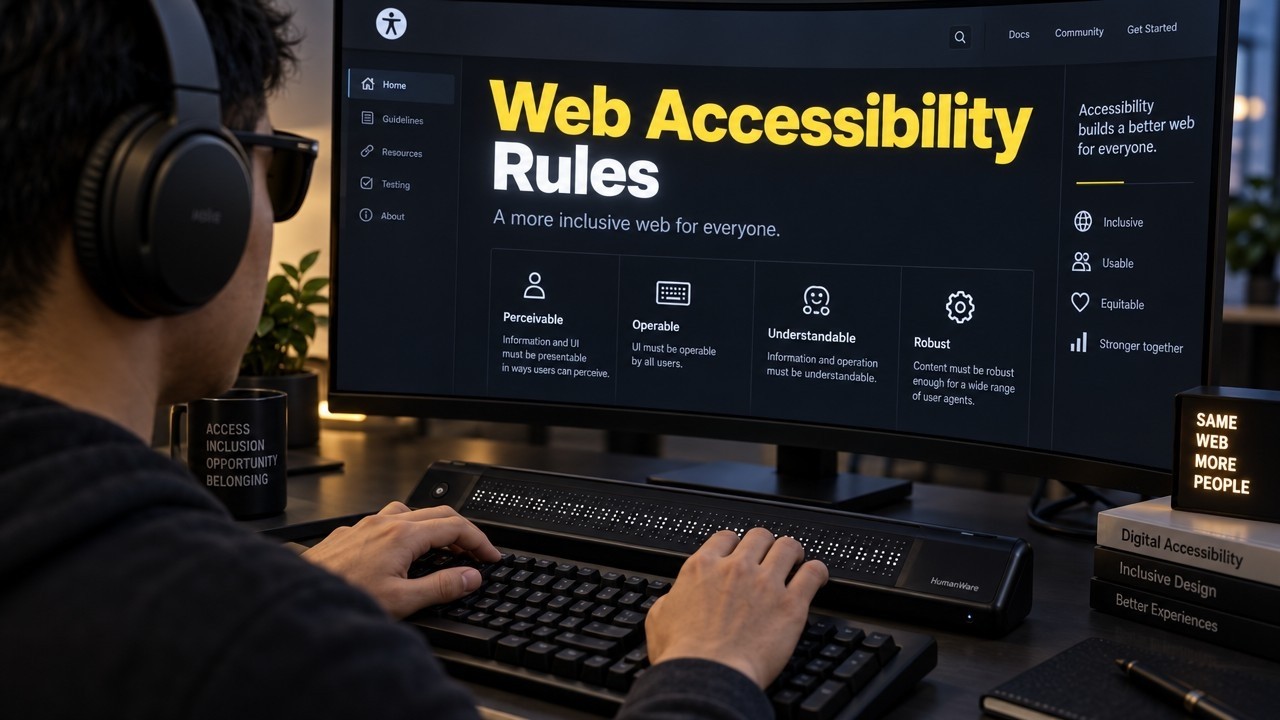
2. Website Accessibility (WCAG Standards): While the ADA does not explicitly codify the Web Content Accessibility Guidelines (WCAG), courts and the DOJ have increasingly referenced WCAG 2.1 Level AA as the benchmark for accessible web design. This includes keyboard navigation, screen reader compatibility, sufficient color contrast, and descriptive alt text for images.
3. Alternative Contact Options: Hotels must provide an accessible alternative—such as a TTY line or accessible customer service—for guests who cannot complete a reservation online.
What Are the Benefits of ADA-Compliant Reservation Systems?
Beyond avoiding legal exposure, investing in accessible booking technology delivers measurable business value:
Broader market reach: According to the CDC, 1 in 4 adults in the United States lives with some form of disability. An accessible booking experience opens the door to a significant segment of potential guests.
Improved user experience: Accessibility improvements—such as cleaner navigation and descriptive content—benefit all users, not just those with disabilities.
Stronger brand reputation: Demonstrating a genuine commitment to inclusivity builds trust and loyalty among guests.
What Are the Penalties for Non-Compliance?
Failure to meet ADA requirements for online reservation systems can result in significant consequences. Hotels that violate ADA standards may face:
Civil lawsuits filed by individuals who were denied equal access
DOJ enforcement actions, which can include mandatory remediation and civil penalties
Financial damages, including plaintiff attorney's fees in successful ADA claims
Best Practices for Maintaining ADA Compliance
Achieving and sustaining compliance requires a structured, ongoing approach:
Conduct a professional accessibility audit of your reservation system and website, benchmarked against WCAG 2.1 Level AA standards
Update room descriptions to include specific, measurable accessibility features rather than general language, always including a description if accessible bathng facility types.
Train staff on ADA requirements related to reservations and guest accommodations
Monitor third-party platforms to ensure that accessible room inventory and descriptions are accurately reflected across all booking channels
Review compliance regularly, as DOJ guidance and web accessibility standards continue to evolve
Frequently Asked Questions
Does the ADA apply to hotel websites and online booking platforms? Yes. Courts and the DOJ have consistently held that hotel websites and online reservation systems must be accessible to people with disabilities under the ADA, including Title III, which governs places of public accommodation.
What accessibility standard should hotel websites follow? WCAG 2.1 Level AA is the most widely referenced standard in ADA-related web accessibility cases and DOJ guidance. Hotels should treat this as the baseline for compliance.
Are small or independent hotels exempt from ADA reservation requirements?Generally, no. The ADA applies to places of public accommodation regardless of size, with limited exceptions. Hotels of all sizes are expected to provide accessible reservation options.

















Accessibility should extend beyond the website to the physical guest experience as well, since every guest deserves to feel comfortable and in control. That same principle of inclusive design applies to room controls, which is why a smart climate control for retail and hospitality approach helps by making temperature easy to adjust and maintain for everyone.
I really enjoyed reading this content. Thank you for providing such unique and useful information. Your point of view is excellent, and I fully agree with what you've shared. Thanks for sharing your thoughts with us! Coraline Raincoat
The content was truly engaging and informative. I sincerely appreciate you for sharing such valuable insights. You made an excellent point, and I completely agree with your perspective. Thank you for contributing this helpful information. Harley Quinn Jacket