
Manning Law and ADA Website Lawsuits
Updated: Sep 23
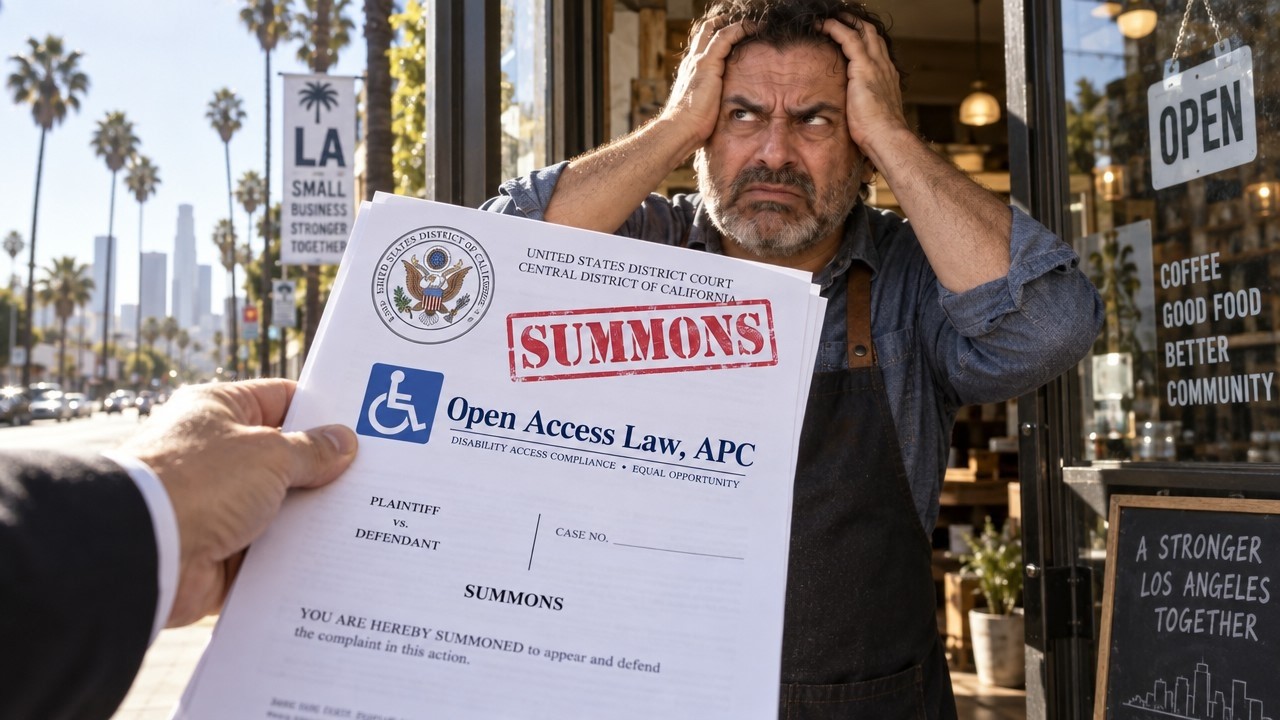
Manning Law APC is a California-based law firm known for filing website accessibility lawsuits against businesses. Businesses named in these suits should consult an ADA defense attorney immediately to evaluate their legal options, potential defenses, and remediation strategies before responding.
Website accessibility lawsuits have surged over the past decade, and Manning Law APC is an active firms pursuing these claims. If your business has received a demand letter or lawsuit referencing Manning Law APC, understanding the firm's typical claims and your available defenses is critical to protecting your business.
Who is Manning Law APC, and what are Manning Law ADA Website Lawsuits?
Manning Law APC is a California law firm that represents plaintiffs in disability access litigation, including claims under California's Unruh Civil Rights Act. Many of these lawsuits allege that a business's website is inaccessible to individuals who use screen readers or other assistive technology, in violation of Title III of the ADA.
These lawsuits frequently name small and mid-sized businesses that maintain e-commerce websites.
What Do ADA Website Lawsuits Typically Allege?
Most ADA website claims filed by plaintiff firms assert that a website fails to meet accessibility standards, such as the Web Content Accessibility Guidelines (WCAG). Common allegations include:
Missing alternative text for images
Inaccessible navigation menus for screen reader users
Forms that cannot be completed using keyboard-only navigation
Insufficient color contrast for visually impaired users
Videos lacking captions or audio descriptions
Because the ADA does not include a specific technical standard for websites, plaintiffs and defendants could dispute which accessibility guidelines apply.
Why Are These Lawsuits So Common in California?
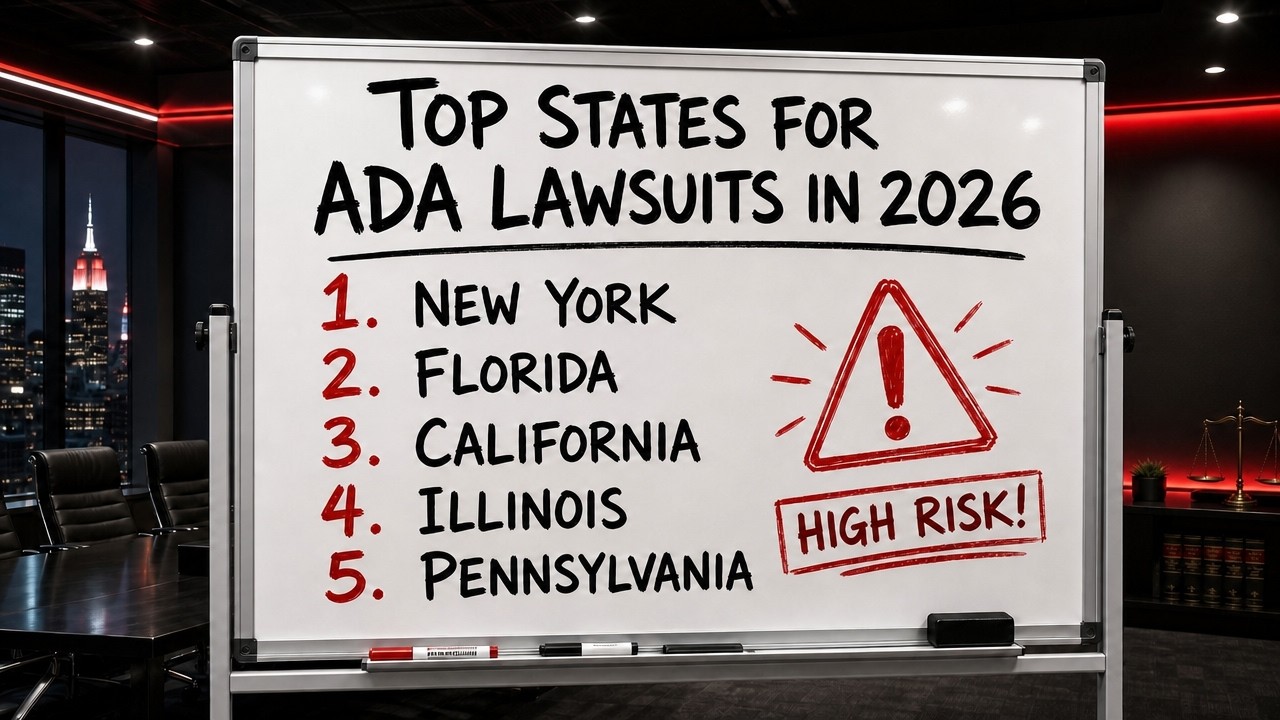
California businesses face a unique risk because the Unruh Act allows plaintiffs to recover statutory damages of up to $4,000 per violation, in addition to attorney's fees. This financial incentive, combined with the broad reach of ADA claims, has made California a hotspot for serial ADA litigation.
How Should a Business Respond to a Manning Law APC Demand Letter?
Businesses that receive a demand letter or complaint from Manning Law APC should not ignore it or respond without legal counsel. An experienced ADA defense attorney can:
Evaluate whether the plaintiff has legal standing to bring the claim
Assess the accuracy of the accessibility allegations
Negotiate a resolution, including remediation timelines
Defend against excessive damage demands
Advise on proactive compliance measures to prevent future claims
Prompt legal guidance often reduces both litigation costs and long-term exposure.
What Are the Best Defenses Against Website Accessibility Lawsuits?
Defense strategies vary based on the specific facts of each case, but often include:
Challenging standing: Demonstrating the plaintiff did not genuinely intend to use the business's website or services.
Mootness: Showing that accessibility issues were corrected before or shortly after the lawsuit was filed.
Technical compliance disputes: Arguing that the website already meets a reasonable accessibility standard.
Settlement negotiation: Resolving the matter efficiently to avoid prolonged litigation costs.
Choose a defense strategy based on the strength of the plaintiff's claims and the business's actual compliance status. A business with a genuinely inaccessible website may prioritize rapid remediation, while one with strong compliance evidence may be positioned to contest the claim more aggressively.
Protect Your Business Before It's Too Late
Website access lawsuits filed by firms like Manning Law APC and others can be costly and disruptive, but businesses that act quickly and strategically can minimize their exposure. Consulting an experienced ADA defense attorney as soon as a claim arises is the most effective way to protect your business's finances and reputation.
For more information and assistance, contact Law Offices of Nolan Klein.

















Comments