
Restaurant Website Lawsuits Are Increasing Rapidly
Restaurants across the country are facing Title III ADA lawsuits over inaccessible websites, even when their physical locations are fully compliant. Rather than absorbing the cost of building and maintaining an ADA-compliant site, restaurant owners can reduce legal exposure by minimizing their web presence and relying on established third-party platforms for menus, ordering, and business information.
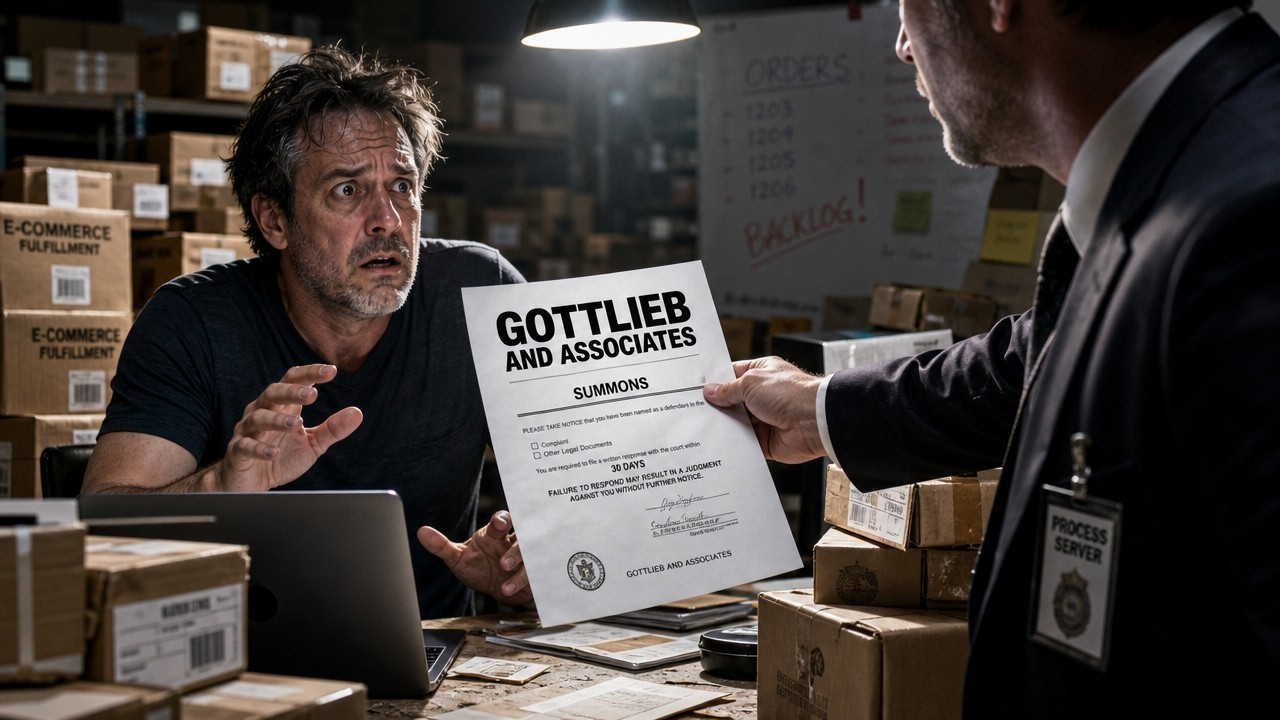
For decades, restaurant owners have understood ADA compliance in physical terms: accessible parking spaces, ramps, doorways wide enough for wheelchairs, and tables at the correct height. These requirements are visible, tangible, and relatively straightforward to verify. So when a restaurant owner receives a demand letter or lawsuit alleging that their website violates Title III of the Americans with Disabilities Act, the reaction is often confusion bordering on disbelief.
How can a website—a collection of code and images—violate the same law that governs wheelchair ramps?
The answer lies in how courts have interpreted Title III over the past decade. Many federal courts treat websites as "places of public accommodation," especially when they're connected to a physical business - meaning they must be accessible to users with disabilities, including those using screen readers or other assistive technology. Restaurants, with their menu-heavy, image-driven websites, have now become frequent targets.
This creates a real dilemma. Restaurant owners can spend thousands of dollars remediating a website they built primarily to list hours and post a menu, or they can rethink whether they need a custom website at all.
What Does Title III of the ADA Actually Require From Restaurant Websites?
Title III of the ADA prohibits discrimination based on disability in places of public accommodation, a category that includes restaurants. While the ADA itself doesn't explicitly mention websites, courts and the Department of Justice have increasingly applied Title III's protections to digital spaces, especially those connected to physical businesses.
What Accessibility Violations Are Most Common in Restaurant Website Lawsuits?
Plaintiffs' attorneys typically flag the same handful of issues repeatedly:
Missing alt text on images, which prevents screen readers from describing menu photos or logos to visually impaired users
Poor keyboard navigation, making it impossible for users who can't operate a mouse to navigate the site
Insufficient color contrast between text and background, which affects users with low vision
Inaccessible PDF menus that screen readers cannot interpret
Missing form labels on reservation or contact forms
Any one of these issues can serve as the basis for a lawsuit, even if the restaurant's physical location is fully ADA-compliant.
Why Are Restaurant Website Lawsuits Becoming Common?
Restaurants make attractive targets for several reasons. Their websites are usually simple, template-based, and rarely audited for accessibility. Many rely on outdated web design or PDF menus rather than accessible HTML. And because these lawsuits are often filed in bulk by the same firms against multiple businesses, restaurants with basic, unmonitored websites represent low-hanging fruit.
What Are the Hidden Costs of Maintaining a Restaurant Website?
Building and maintaining a fully ADA-compliant restaurant website costs more than most owners expect, and the expenses extend well beyond the initial build.
Development and design costs for a compliant site require accessibility-focused developers who understand WCAG (Web Content Accessibility Guidelines) standards.
Ongoing maintenance is equally demanding: every menu update, seasonal promotion, or new photo must be reviewed for compliance, or the site risks falling out of accessibility standards again.
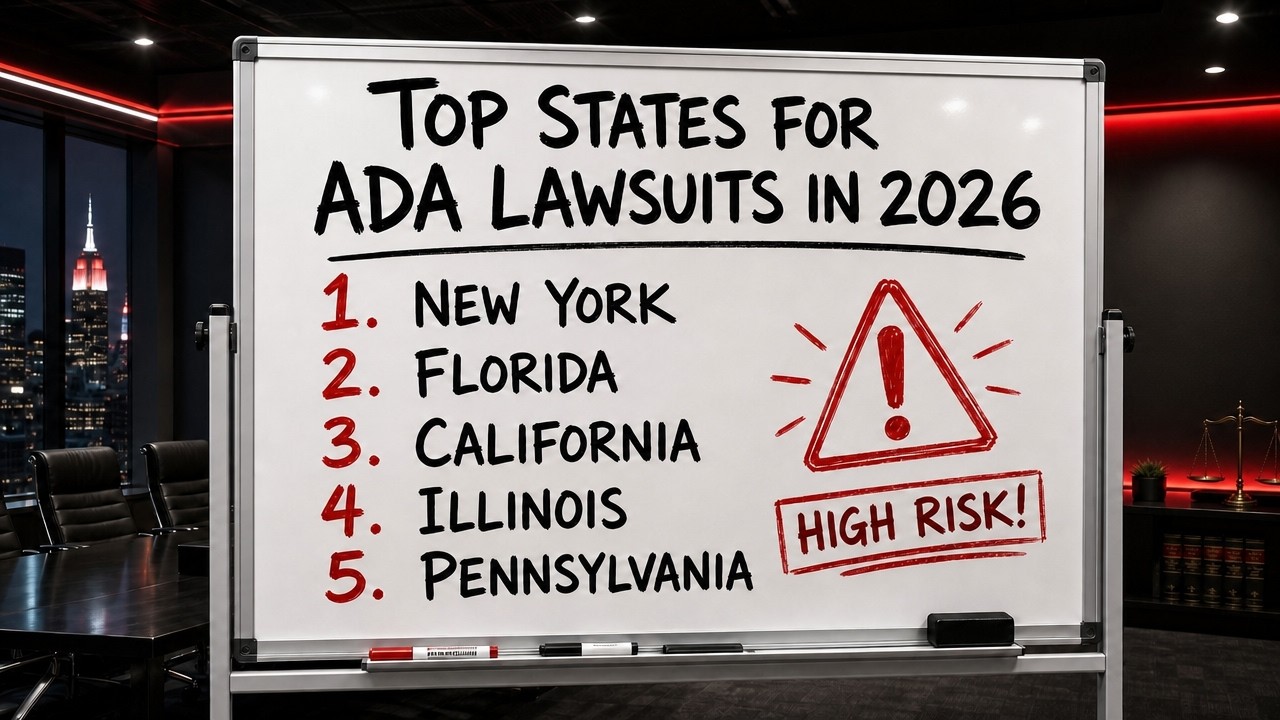
Then there's the legal exposure. Settlements in ADA website lawsuits often require the business to pay for remediation, cover the plaintiff's legal fees, and sometimes pay damages, depending on the state. Multiply this across the lifetime of a website, and the cumulative cost of ownership becomes substantial for a business whose margins are already thin.
Finally, someone has to manage all of this. Restaurant owners already juggling staffing, inventory, and food costs are rarely equipped to also monitor web accessibility standards that evolve over time.
Do Restaurants Actually Need Their Own Website?
Unlike e-commerce businesses, which depend on a website as their primary storefront, restaurants have a much narrower set of digital needs. Most diners simply want to know: Where is the restaurant? What's the phone number? What's on the menu? Can I order online?
These four functions don't require a custom-built website. They can be fulfilled entirely through third-party platforms that already invest heavily in accessibility compliance because they serve thousands of businesses at once.
How Can Third-Party Platforms Replace a Custom Restaurant Website?
Several established platforms already provide the core functionality restaurants need:
Google or Facebook Business Profile allows restaurants to display their address, hours, phone number, photos, and even a link to a menu.
Restaurant aggregators like Yelp and DoorDash host detailed menus, accept online orders, and manage reviews, all within platforms built for high-traffic public use.
Domain forwarding lets a restaurant keep its existing web address while redirecting visitors to one of these third-party platforms instead of a self-hosted site.
Because these platforms serve a massive number of businesses, they have both the resources and legal incentive to maintain accessibility standards. Restaurants that rely on them benefit from that infrastructure without shouldering the compliance burden themselves.
What Are the Liability Benefits of Outsourcing a Web Presence?
When a restaurant forwards its domain to a third-party platform rather than hosting its own site, it meaningfully reduces its exposure to Title III lawsuits. The restaurant is no longer the party responsible for the code, design, or accessibility features of the page a customer interacts with. That responsibility shifts to the platform provider, which is far better resourced to maintain compliance across its entire user base. But be careful not to "mask" to URL of the third party page - in other words, it must be clear in the URL bar that the visitor has landed on another company's website, not on a website belonging to the restaurant. This is critical.
How Should a Restaurant Transition to a Third-Party Web Presence?
Moving away from a custom website doesn't require an overnight overhaul. A methodical transition looks like this:
Claim and optimize a Google or Facebook Business Profile, ensuring the address, hours, phone number, and menu link are accurate and current.
Set up profiles on major aggregators like Yelp and relevant delivery platforms, uploading a current menu and enabling online ordering where applicable.
Configure domain forwarding so the restaurant's existing URL redirects visitors to a chosen aggregator page.
Audit consistency across all platforms, confirming that hours, contact information, and menu pricing match everywhere the restaurant appears online.
Discontinue the custom site once traffic has been successfully redirected and all third-party listings are confirmed accurate.
This approach preserves the restaurant's digital visibility while transferring the accessibility burden to platforms already built to handle it.
Rethinking Digital Strategy as Risk Management
The wave of Title III lawsuits targeting restaurant websites reflects a broader truth: not every business needs the same digital footprint. E-commerce companies depend on their websites as their storefront, but restaurants primarily need to be found, reached, and ordered from. That doesn't require a custom-built site loaded with legal risk.
Restaurant owners weighing the cost of accessibility remediation against the option of a simplified digital presence should recognize that less can genuinely be more. By forwarding a domain to an established, accessibility-compliant platform, restaurants can maintain their visibility, protect their bottom line, and remove themselves from the growing pool of ADA website litigation targets.
Sometimes the smartest business decision isn't building a better website. It's deciding you don't need one at all.
Frequently Asked Questions
Can a restaurant be sued under the ADA even if its physical location is fully accessible? Yes. Courts have increasingly ruled that websites connected to a business are separately subject to Title III requirements, meaning a fully accessible physical restaurant can still face a lawsuit over an inaccessible website.
Is it legal for a restaurant to rely entirely on a Google or Facebook Business Profile and delivery apps instead of its own website? Yes. There is no legal requirement that a restaurant maintain its own website. Using third-party platforms to display information and accept orders is a legitimate and increasingly common alternative.
What is domain forwarding, and how does it work for restaurants? Domain forwarding redirects visitors who type in a restaurant's web address to a different page, such as a Google or Facebook Business Profile or aggregator listing, allowing the restaurant to retain its familiar URL without hosting its own site.
Are third-party platforms like Yelp and DoorDash immune from ADA lawsuits themselves? No platform is entirely immune from litigation, but these companies typically invest significant resources into accessibility compliance across their entire platform, reducing the likelihood and impact of individual claims compared to a standalone restaurant website.











Comments