top of page

RIVERSIDE, CALIFORNIA, ADA LAWSUIT DEFENSE & COMPLIANCE
1000+ ADA LAWSUITS HANDLED NATIONWIDE &
20+ YEARS OF ADA LITIGATION &
750+ BUSINESSES REPRESENTED.
WATCH OUR MANAGING ATTORNEY DISCUSS ADA LAWSUITS ON 60 MINUTES WITH ANDERSON COOPER
Riverside California ADA Lawsuits
and Serial ADA Targeting
Riverside, California businesses facing ADA lawsuits—whether for website accessibility or physical barriers—have multiple defense strategies available, including challenging plaintiff standing, demonstrating good-faith remediation efforts, and negotiating early settlements. Acting quickly with experienced legal counsel can reduce costs, limit liability, and protect your business reputation.
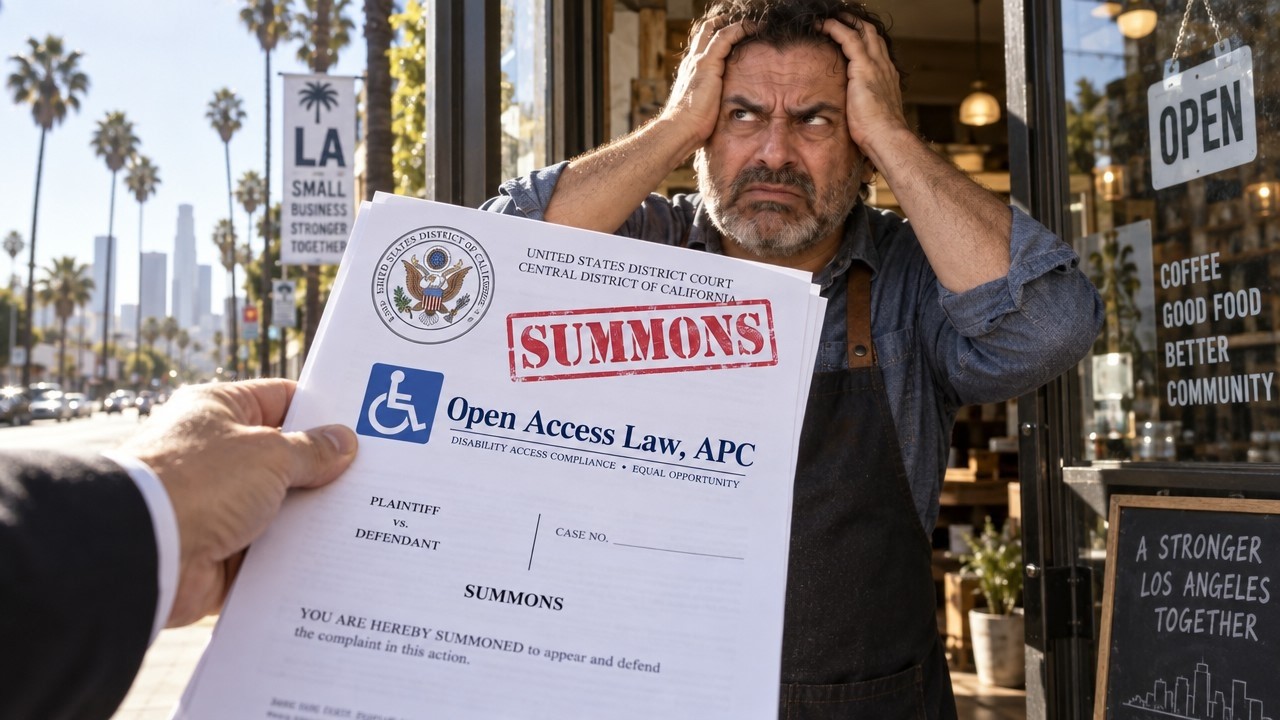
Receiving an ADA lawsuit notice is alarming, especially when you're unsure whether your business actually violated the law. Riverside has seen a steady stream of Title III lawsuits targeting small and medium businesses, covering everything from inaccessible parking lots to websites that don't work with screen readers. If you're a Riverside business owner dealing with this situation right now, understanding your legal options is the first step toward resolving it efficiently.
Why Are Riverside Businesses Being Sued Under the ADA?
Title III of the Americans with Disabilities Act requires places of public accommodation to be accessible to people with disabilities. In Riverside, two categories of claims dominate:
Physical barrier cases involve issues like inadequate parking spaces, inaccessible entrances, non-compliant restrooms, or aisles too narrow for wheelchairs. These lawsuits often follow a single visit from a plaintiff who identifies barriers during an inspection.
Website accessibility cases allege that a business's website isn't compatible with screen readers or other assistive technology, violating the Web Content Accessibility Guidelines (WCAG) standards that courts increasingly reference.
Both case types can result in injunctive relief requiring compliance, plus payment of the plaintiff's attorney fees—often the most expensive part of these claims.
What Should I Do After Receiving an ADA Lawsuit in Riverside?
Don't ignore the complaint. Failing to respond within the required timeframe can result in a default judgment against your business. Instead:
-
Consult an ADA defense attorney immediately. Early legal guidance shapes your entire defense strategy.
-
Document your current compliance status. Photos, website audits, and maintenance records matter.
-
Avoid contacting the plaintiff directly. Let your attorney handle all communication.
What Legal Defenses Are Available for ADA Lawsuits?
Experienced defense attorneys use several strategies depending on the facts of your case:
-
Challenging standing: Proving the plaintiff didn't actually experience harm or didn't genuinely intend to return to your business.
-
Demonstrating mootness: Showing that barriers have already been remediated before the lawsuit proceeds.
-
Technical compliance arguments: Establishing that your property or website meets applicable accessibility standards, even if not identical to the plaintiff's claims.
-
Negotiated settlements: Resolving the matter efficiently to avoid prolonged litigation costs.
Choose a negotiated settlement if minimizing costs and avoiding prolonged court battles matter more to you than contesting every claim. Choose to litigate if you have strong evidence the lawsuit lacks merit or involves a serial plaintiff pattern.
How Much Do ADA Lawsuits Typically Cost Riverside Businesses?
ADA lawsuits generally require businesses to achieve compliance, cover their own legal fees, and often pay the plaintiff's attorney fees as well. Depending on the complexity of the case and whether it settles early, costs can range from a few thousand dollars to significantly more for contested litigation. Early intervention from a knowledgeable defense attorney typically reduces these costs considerably.
Protect Your Business With the Right Legal Strategy
ADA lawsuits in Riverside aren't going away, and serial plaintiffs continue targeting businesses with both physical and digital accessibility gaps. The good news: a well-structured defense, paired with proactive compliance measures, can resolve your current lawsuit and help prevent future claims.
If you've been served with an ADA complaint, don't wait to seek guidance. Contact an experienced ADA defense attorney today to review your case, protect your business, and chart a path toward full compliance.
Frequently Asked Questions
How long do I have to respond to an ADA lawsuit in California?
Typically, you must file a response within 30 days of being served, though deadlines can vary. Consult an attorney immediately to confirm your specific timeline and avoid default judgment.
Can my website really be sued under the ADA?
Yes. Courts have increasingly applied Title III to websites, particularly those tied to physical business locations. WCAG 2.1 compliance is the most commonly referenced standard in these cases.
Will I have to pay the plaintiff's legal fees?
Possibly. ADA lawsuits often require the losing party to cover the plaintiff's attorney fees, which is why early resolution or a strong defense is critical to limiting costs.
What's the difference between a physical barrier case and a digital accessibility case?
Physical barrier cases involve in-person obstacles like parking, entrances, or restrooms. Digital accessibility cases involve websites or apps that aren't compatible with assistive technology like screen readers.
Can I avoid future ADA lawsuits after resolving this one?
Yes. Conducting a full compliance audit, training staff on accessibility standards, and implementing ongoing monitoring significantly reduces the risk of repeat claims.












bottom of page