
Service Dogs Allowed Inside? ADA Service Animal Laws Explained.
Under the Americans with Disabilities Act (ADA), service dogs are permitted to accompany their handlers in virtually all areas open to the public, including restaurants, retail stores, hotels, and government buildings. Businesses may only ask two specific questions to verify a service animal's status and cannot demand documentation, certification, or a demonstration of tasks.
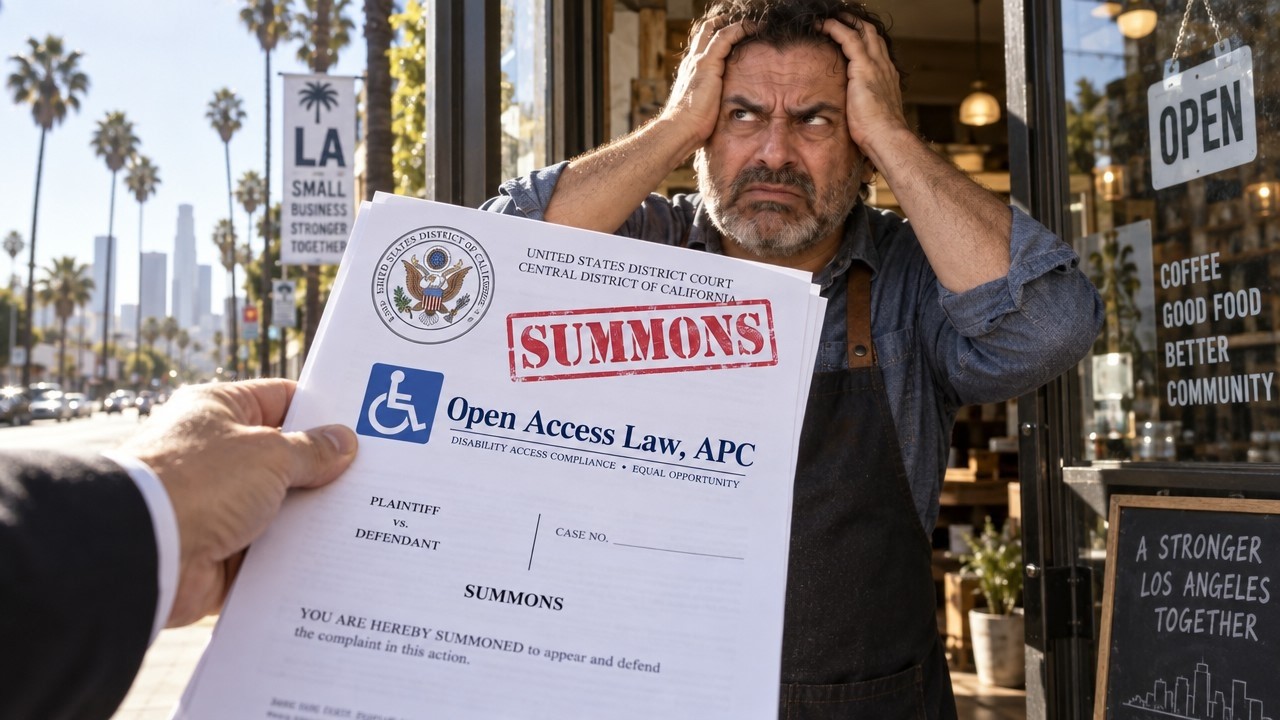
Business owners frequently misunderstand their obligations under the ADA when it comes to service animals, and that confusion often leads to costly litigation. Knowing exactly where service dogs are legally entitled to go, and what you can and cannot ask a handler, is essential for avoiding ADA claims and defending against them when they arise. We always advise our clients that, when in doubt, just let the dog into the business - its a lot cheaper and easier than dealing with an ADA service dog lawsuit.
What Qualifies as a Service Dog Under the ADA?
The ADA defines a service animal as a dog that has been individually trained to perform tasks for a person with a disability. The task must be directly related to the handler's disability, such as guiding someone who is blind, alerting someone who is deaf, pulling a wheelchair, or interrupting a panic attack. Emotional support, comfort, or companionship alone does not qualify an animal as a service animal under federal law, even though many handlers and some businesses assume otherwise.
Where Are Service Dogs Allowed to Go?
Service dogs must be permitted in any area of a business that is open to the general public. This includes:
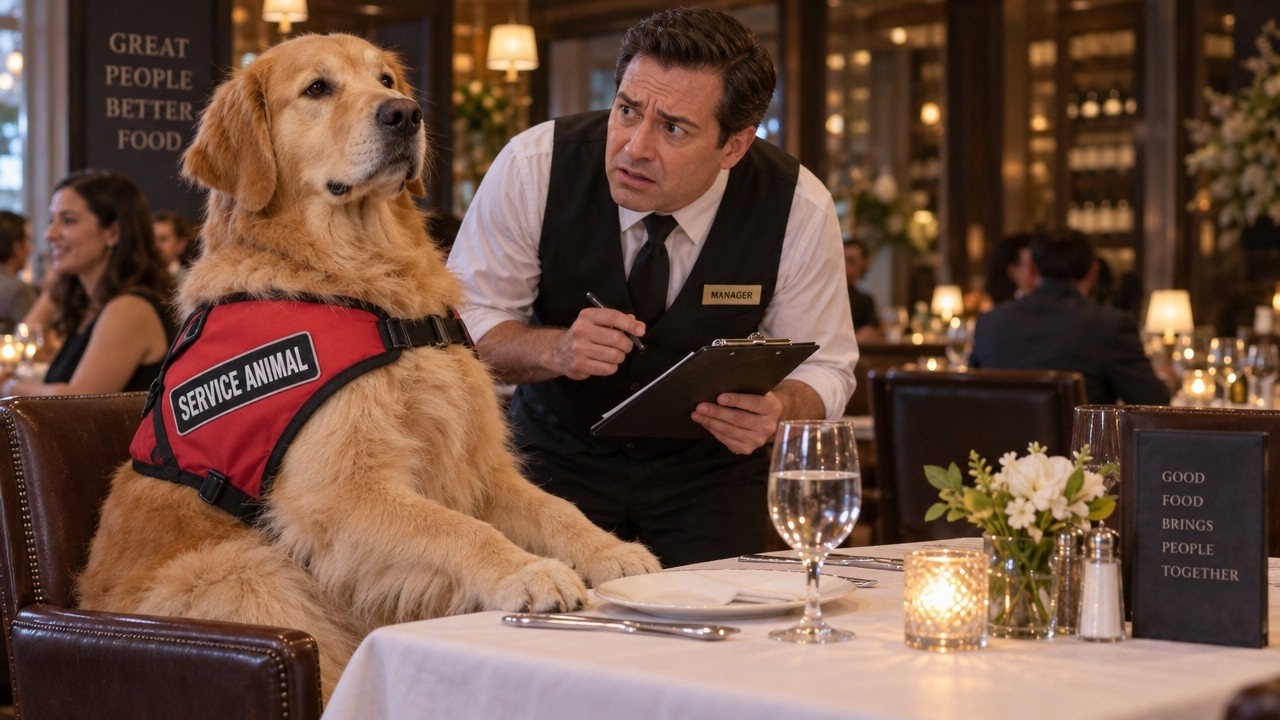
Restaurants and bars — even in areas where food is prepared, to the extent consistent with health codes governing employees
Retail stores and shopping centers
Hotels and other lodging establishments
Hospitals and medical offices, including patient rooms (with limited exceptions for sterile environments like operating rooms)
Government buildings and courthouses
Schools and universities
Public transportation, including buses, trains, and taxis
Private businesses generally cannot exclude a service dog simply because other customers are uncomfortable, allergic, or afraid of dogs. Exceptions are narrow and apply only when the animal poses a direct threat to health or safety, or when its presence would fundamentally alter the nature of the service provided.
What Can a Business Legally Ask?
Under the ADA, staff may ask only two questions when it is not obvious that a dog is a service animal:
Is this dog a service animal required because of a disability?
What work or task has the dog been trained to perform?
Staff cannot require proof of certification, request medical documentation, or ask the handler to demonstrate the dog's task. Businesses that ask prohibited questions, or that deny access without legal justification, expose themselves to ADA complaints and potential lawsuits.
When Can a Service Dog Be Excluded?
A business may lawfully exclude a service dog only if:
The dog is out of control and the handler does not take effective action to control it
The dog is not housebroken
The dog's presence would pose a direct threat to the health or safety of others
Importantly, a business cannot exclude a service dog based solely on the breed of the dog or a generalized fear of dogs. Each situation must be assessed individually.
Defending Against ADA Service Animal Claims
Businesses accused of denying access to a service dog often have more defenses available than they realize. An experienced ADA defense attorney can evaluate whether the plaintiff's dog actually meets the ADA's definition of a service animal, whether staff followed permissible inquiry procedures, and whether a legitimate health or safety exception applied. Challenging the plaintiff's standing, documenting the specific facts of the encounter, and reviewing staff training records are all strategies that can significantly strengthen a business's position.
Protect Your Business from ADA Service Animal Claims
Understanding where service dogs are legally entitled to go is the first step toward ADA compliance, but it is not a guarantee against litigation. If your business has been accused of violating the ADA's service animal provisions, consult an experienced ADA defense attorney promptly to protect your rights and build a strong defense.
Frequently Asked Questions
Can a business ask for a service dog's certification papers? No. The ADA does not require service animals to be certified or registered, and businesses cannot demand documentation as a condition of entry.
Are emotional support animals covered under the ADA's service animal rules? No. Emotional support animals do not meet the ADA's definition of a service animal because they are not trained to perform a specific task related to a disability.
Can a restaurant deny entry to a service dog for health code reasons? The ADA allows service dogs in dining areas, and businesses cannot use general health code concerns to exclude them.

















Comments