
ADA Complaint Letters from Serial Litigants on the Rise
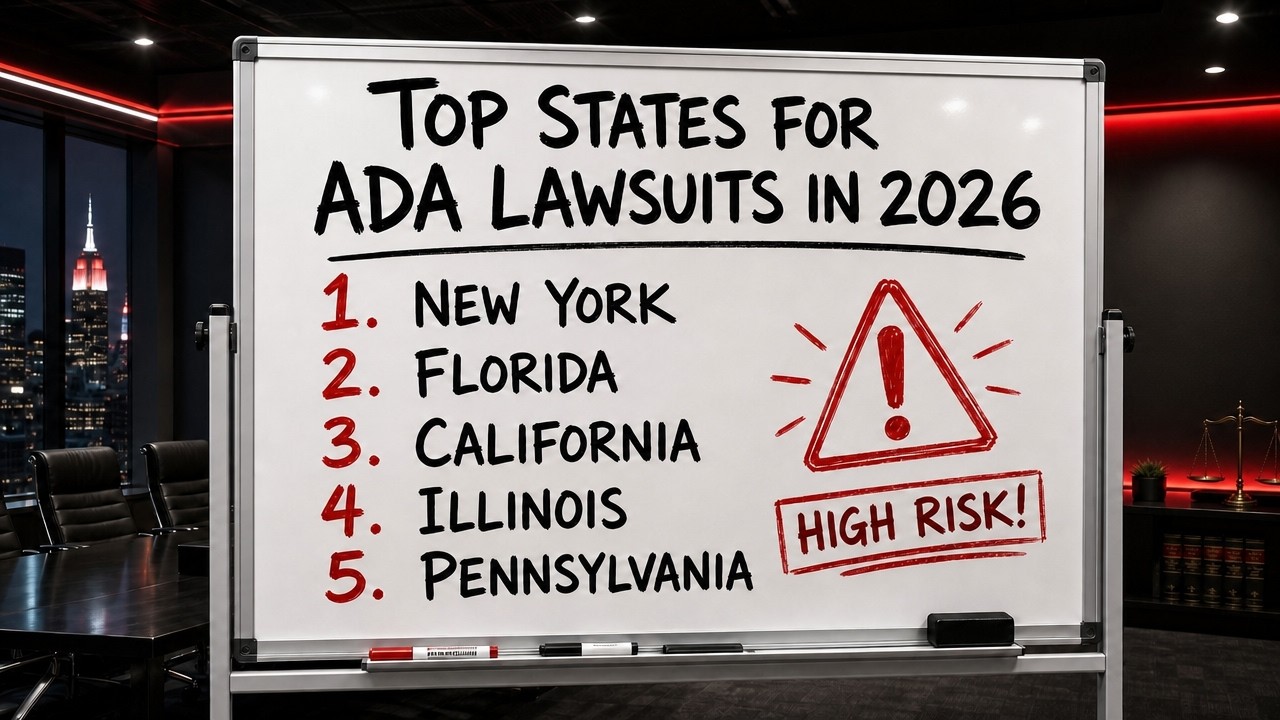
A growing number of businesses are receiving unexpected legal notices alleging violations of the Americans with Disabilities Act (ADA). These ADA complaint letters often demand immediate financial settlements and rapid structural or website modifications. For business owners, receiving such a letter is a nuisance, but also a serious legal matter that requires a prompt and strategic response.
The surge in these legal demands is largely driven by a small group of plaintiffs and law firms. These individuals systematically target hundreds, and sometimes thousands, of businesses each year. They utilize automated tools and drive-by inspections to identify minor compliance infractions, converting these technical violations into lucrative settlement opportunities.
Understanding the nature of these claims is essential for corporate survival. Business leaders must recognize the legal obligations required by the ADA and the specific tactics employed by serial litigants. This knowledge enables organizations to implement proactive compliance measures, minimizing the risk of costly litigation and protecting the company's financial stability.
Understanding the Americans with Disabilities Act and ADA Complaint Letters
The Americans with Disabilities Act is a comprehensive civil rights law enacted in 1990. It prohibits discrimination against individuals with disabilities in all areas of public life. For business owners, Title III of the ADA is the most relevant section. It mandates that places of public accommodation—ranging from retail stores and restaurants to hotels and private schools—must be accessible to individuals with disabilities.
Compliance requires businesses to remove architectural barriers in existing facilities when it is readily achievable to do so. It also requires the provision of auxiliary aids and services to ensure effective communication. In recent years, the interpretation of public accommodations has expanded beyond physical storefronts. Courts increasingly rule that company websites and mobile applications must also comply with ADA accessibility standards, specifically the Web Content Accessibility Guidelines (WCAG).
Who are These Serial Litigants?
A serial litigant is a plaintiff who files a high volume of lawsuits alleging similar violations against numerous defendants. In the context of the ADA, these individuals or their representing law firms actively search for businesses that fail to meet strict accessibility standards.
These plaintiffs commonly utilize standardized demand letters. The letters typically outline specific alleged violations, such as incorrect parking lot signage, improper ramp slopes, or websites that are incompatible with screen reading software. They threaten formal lawsuits unless the business agrees to a financial settlement and commits to remediating the cited issues. Because the ADA allows plaintiffs to recover attorney's fees if they prevail, law firms have a strong financial incentive to generate as many claims as possible.
The Impact of ADA Complaint Letters on Businesses
Receiving an ADA demand letter triggers a series of consequences for a business. The most immediate impact is financial.
Direct Financial Costs: ADA lawsuits generally require businesses to pay their own legal counsel, compensate the plaintiff’s attorneys, and potentially pay statutory damages depending on state laws. Even out-of-court settlements routinely cost businesses tens of thousands of dollars. Furthermore, the business must still finance the necessary physical or digital remediation to achieve compliance.
Operational Disruptions: Defending against a lawsuit consumes significant time and resources. Management is forced to divert attention away from core business operations to gather documentation, consult with attorneys, and oversee compliance overhauls.
Proactive Measures for ADA Compliance
The most effective defense against serial litigants is strict adherence to ADA regulations before a complaint is ever filed. Businesses must adopt a proactive approach to accessibility.
Conduct Physical Facility Audits
Hire a Certified Access Specialist (CASp) or an ADA compliance expert to inspect your physical premises. These professionals identify specific architectural barriers—such as improper door widths, inadequate restroom grab bars, or non-compliant parking spaces—and provide a prioritized roadmap for remediation.
Audit Digital Assets
Website accessibility is a primary target for current ADA litigation. Organizations must ensure their digital platforms adhere to WCAG 2.1 AA standards. Engage web development professionals to audit your site for issues like missing alt text for images, lack of keyboard navigability, and poor color contrast.
Develop a Compliance Plan
Demonstrating a good-faith effort to achieve compliance can deter litigation. Create a written accessibility policy, train staff on ADA requirements, and establish a timeline for correcting known deficiencies.
Responding to a Complaint
If your business receives an ADA complaint letter, immediate and calculated action is necessary.
First, do not ignore the demand letter. Failure to respond often guarantees a formal lawsuit and increased legal liabilities.
Second, retain an experienced ADA defense attorney. Do not attempt to negotiate with the plaintiff's counsel directly. A qualified defense lawyer will evaluate the validity of the claims, verify the plaintiff's standing to bring a case, and identify the most cost-effective resolution strategy. In many instances, attorneys can negotiate lower settlement amounts or secure extended timelines for completing the necessary accessibility modifications. Law Offices of Nolan Klein can assist your business with this.
The Current Legal Landscape
The legal environment surrounding ADA compliance is highly active. Lawsuits targeting website and digital accessibility represent the fastest-growing segment of ADA litigation. Serial litigants use automated scanning software to crawl thousands of websites simultaneously, instantly identifying non-compliant coding.
Furthermore, courts are showing little tolerance for businesses that repeatedly delay compliance. While some jurisdictions have attempted to curb the filing of frivolous lawsuits by requiring plaintiffs to provide a notice-and-cure period before suing, the burden of accessibility remains firmly on the business owner. Ignorance of the law is never an acceptable legal defense.
Safeguarding Your Business Against ADA Litigation
The rising tide of ADA complaint letters from serial litigants presents a substantial threat to unprotected businesses. Organizations can no longer afford to view accessibility as a secondary priority. Strict compliance with both physical and digital ADA standards is a mandatory component of modern risk management.
Take immediate steps to audit your facilities and web properties. Consult with accessibility experts and legal counsel to identify vulnerabilities before they are exploited by opportunistic law firms. By prioritizing comprehensive accessibility, you protect your company from aggressive litigation while complying with your relevant ADA requirements.
Contact Law Offices of Nolan Klein to learn more.














Phần nói về khiếu nại lặp lại khiến mình nhớ một đoạn tin từng đọc về việc doanh nghiệp nhỏ dễ bị cuốn vào thủ tục chỉ vì phản hồi chậm hoặc không nhất quán. Mình từng nghe ai đó nhắc bong88 khi bàn về Game bài đổi thưởng, nhưng chỉ nghe tên chứ không rõ chuyện, nên cũng không thể đối chiếu gì với những gì bài viết nêu. Điều mình rút ra là cần ghi lại mọi trao đổi rõ ràng từ đầu, vì sau này khi có tranh chấp, trí nhớ của hai bên thường không khớp nhau. Bài viết có thể chưa trả lời hết câu hỏi của mình về quy trình, nhưng ít nhất nó cho…
Bài viết về khiếu nại dạng thư và các vụ kiện lặp lại cho thấy vấn đề nằm ở quy trình xử lý, không chỉ ở nội dung khiếu nại. Mình chưa từng đối mặt chuyện này nên đọc phần lớn để nắm bối cảnh, nhất là đoạn nói về việc ghi nhận và phân loại. Mình từng nghe nhắc tới tỷ lệ kèo trong một cuộc nói chuyện về Game bài đổi thưởng, nghe qua vài chữ rồi thôi. Sau khi đọc, mình thấy điều đáng chú ý là cách một đơn thư bình thường có thể trở thành dấu hiệu của xu hướng lớn hơn.
Bài này nhắc đến số lượng đơn khiếu nại tăng, khiến mình liên hệ đến chuyện nhiều người chơi game bài đổi thưởng cũng hay gửi phản hồi khi gặp trục trặc, dù bản thân mình chưa bao giờ phải làm vậy. Đọc xong thấy vấn đề quy trình xử lý khiếu nại quả thực không đơn giản ở bất kỳ lĩnh vực nào. Mình chỉ vừa đọc qua bài này thôi, không có kinh nghiệm thực tế với dịch vụ hay nền tảng nào cả. Nhưng câu chuyện về việc người dùng dần trở nên mạnh dạn hơn trong việc đòi quyền lợi thì khá thực tế, mình từng nghe mấy người quen nhắc đến 33win trong lúc tán gẫu…
Mình đọc tiêu đề này với cảm giác hơi phức tạp ngay từ đầu, phần về đơn thư khiếu nại và nguyên đơn lặp lại làm mình phải đọc lại vài đoạn. Không có kinh nghiệm pháp lý, nên mình chỉ nắm được ý lớn là quy trình có thể bị lợi dụng. Trong lúc nghỉ tay, mình nhớ tới câu chuyện người quen nói EE88 từng được nhắc trong nhóm thảo luận Game bài đổi thưởng, chỉ vậy thôi. Bài viết cho thấy một mâu thuẫn giữa thủ tục và trách nhiệm, và mình vẫn còn thắc mắc cách cân bằng đó.
Bài về thư khiếu nại ADA và những người đệ đơn liên tục khiến mình thấy lạ vì số lượng tăng rõ rệt. Mình vừa đọc xong, không rành luật Mỹ cho lắm, nhưng thấy đoạn nói về sự khác biệt giữa khiếu nại chính đáng và đơn kiện tràn lan thì hay. Nhắc lại hồi trước mình cũng từng bực mình vì một dịch vụ online, ngồi gõ email phàn nàn, rồi chợt thấy giống chuyện mở app chơi bài đổi thưởng kiểu 89BET mà mình từng đọc ai đó kể, cũng toàn thấy người ta kêu ca trên mạng. Quay lại bài thì thấy vấn đề này phức tạp hơn mình tưởng nhiều.