
Apex Trial Law and ADA Website Demand Letters
Apex Trial Law sends ADA website demand letters to businesses whose websites allegedly fail to meet WCAG accessibility standards. Recipients should not ignore these letters. Consulting an experienced ADA defense attorney promptly is the most effective first step to protecting your business.
If you've received an ADA website demand letter from Apex Trial Law, you're not alone—and the clock is already ticking. These letters are formal legal notices alleging that your website violates Title III of the Americans with Disabilities Act (ADA). Understanding what they mean, why they're sent, and how to respond can make a significant difference in the outcome.
What Are ADA Website Demand Letters?
ADA website demand letters are pre-litigation notices sent to businesses whose websites allegedly fail to accommodate users with disabilities. Under Title III of the ADA, places of "public accommodation"—including websites operated by businesses—must be accessible to individuals with disabilities.
Apex Trial Law, a plaintiff-side firm that actively pursues ADA website accessibility claims, sends these letters on behalf of individuals who encounter barriers such as:
Missing alt text for images
Inaccessible navigation for screen reader users
Videos lacking closed captions
Forms that cannot be completed using keyboard-only navigation
The letters typically demand monetary compensation and corrective action—often within a short timeframe.
Why Is Apex Trial Law Targeting Your Website?
Apex Trial Law operates in a legal space where ADA website litigation has grown substantially. Plaintiffs' firms use automated scanning tools to identify websites that fall short of Web Content Accessibility Guidelines (WCAG) 2.1 standards, then send demand letters at scale.
Receiving one does not necessarily mean your website was manually reviewed by a person with a disability. In many cases, these letters are generated after automated tools flag potential accessibility issues. That distinction can be legally significant when building a defense.
What Happens If You Ignore the Letter?
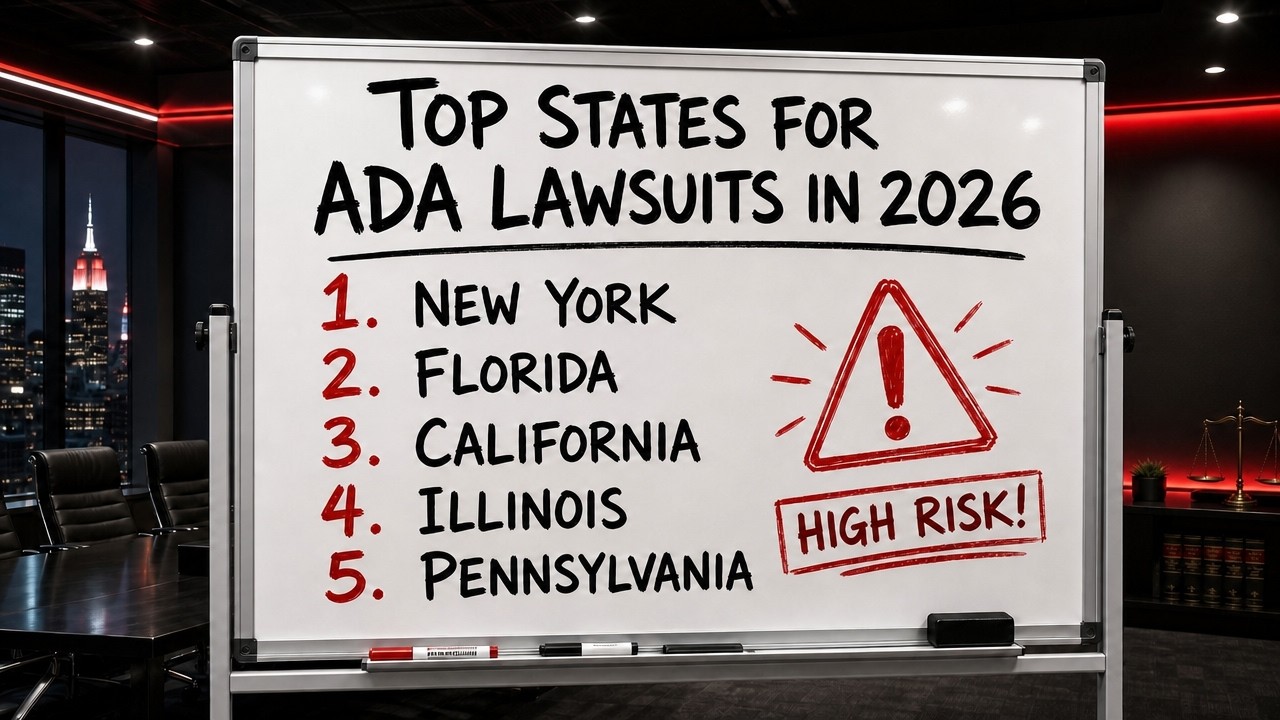
Ignoring an ADA demand letter from Apex Trial Law is a high-risk strategy. If no resolution is reached, the firm could escalate to filing a federal lawsuit. At that point, your business could face:
Attorney's fees for both sides
Injunctive relief requiring website modifications
Damages, depending on the jurisdiction
Reputational exposure from public court filings
Federal ADA lawsuits are a matter of public record. Acting early—before litigation is filed—preserves your options and typically limits costs.
How Should You Respond to an Apex Trial Law Demand Letter?
Step 1: Contact an ADA defense attorney immediately
Do not respond to Apex Trial Law directly or make any admissions in writing without legal counsel. An experienced ADA defense attorney can assess the validity of the claims, identify procedural defenses, and open settlement negotiations on your behalf.
Step 2: Preserve all documentation
Keep the original demand letter, any envelopes, and all related correspondence. Note the date of receipt—demand letters often include strict response deadlines.
Step 3: Conduct an accessibility audit
Work with a qualified web accessibility consultant to evaluate your site against WCAG 2.1 standards. This audit serves two purposes: it demonstrates good faith to opposing counsel, and it identifies genuine remediation steps that can reduce your legal exposure.
Step 4: Evaluate your defense options
A skilled ADA defense attorney will examine factors including the plaintiff's standing to sue, whether your website qualifies as a place of public accommodation under applicable case law, and whether the claimed barriers actually prevented access. These defenses have succeeded in federal courts across the country.
Frequently Asked Questions About ADA Demand Letters
Is an ADA demand letter the same as a lawsuit? No. A demand letter is a pre-litigation notice. It becomes a lawsuit only if the matter is filed in court. Many cases resolve at the demand letter stage through negotiation, and this is typically far cheaper than resolving actual litigation.
How long do I have to respond to Apex Trial Law? Response deadlines vary by letter, but most demand a reply within 10 to 30 days. Consult an attorney as soon as possible after receiving the letter.
Does making my website accessible guarantee I won't be sued again? Accessibility remediation significantly reduces risk, but it does not guarantee immunity from future claims. Ongoing compliance monitoring is the most reliable long-term protection.
Can small businesses be targeted for ADA website violations? Yes. There is no revenue or size threshold that exempts a business from ADA Title III obligations. Small and mid-sized businesses frequently receive these letters.
Protect Your Business Before Litigation is Filed
An ADA demand letter from Apex Trial Law is a serious legal matter—but it is manageable with the right defense strategy. The businesses that fare best are those that act quickly, retain qualified legal counsel, and address accessibility proactively rather than reactively.














Accessibility is becoming an essential part of running any online business, not just for legal compliance but for creating a better experience for every customer. Simple improvements like clear navigation, readable text, and keyboard-friendly features can make a significant difference. Businesses investing in an Affordable USA Shopify Automation Service should also keep accessibility in mind as they scale, since automation works best when paired with an inclusive user experience. Thanks, Amazon Automations, for covering this important topic. What are some of the most common ADA compliance issues you see businesses overlook on their websites?