
California ADA Cases and the Unruh Civil Rights Act: What Business Owners Need to Know
Updated: Dec 4, 2025
California business owners face unique accessibility compliance challenges due to the state's dual legal framework. The federal Americans with Disabilities Act (ADA) and California's Unruh Civil Rights Act create overlapping requirements that can result in costly litigation when violations occur. Understanding these laws is essential for protecting your business from legal exposure.
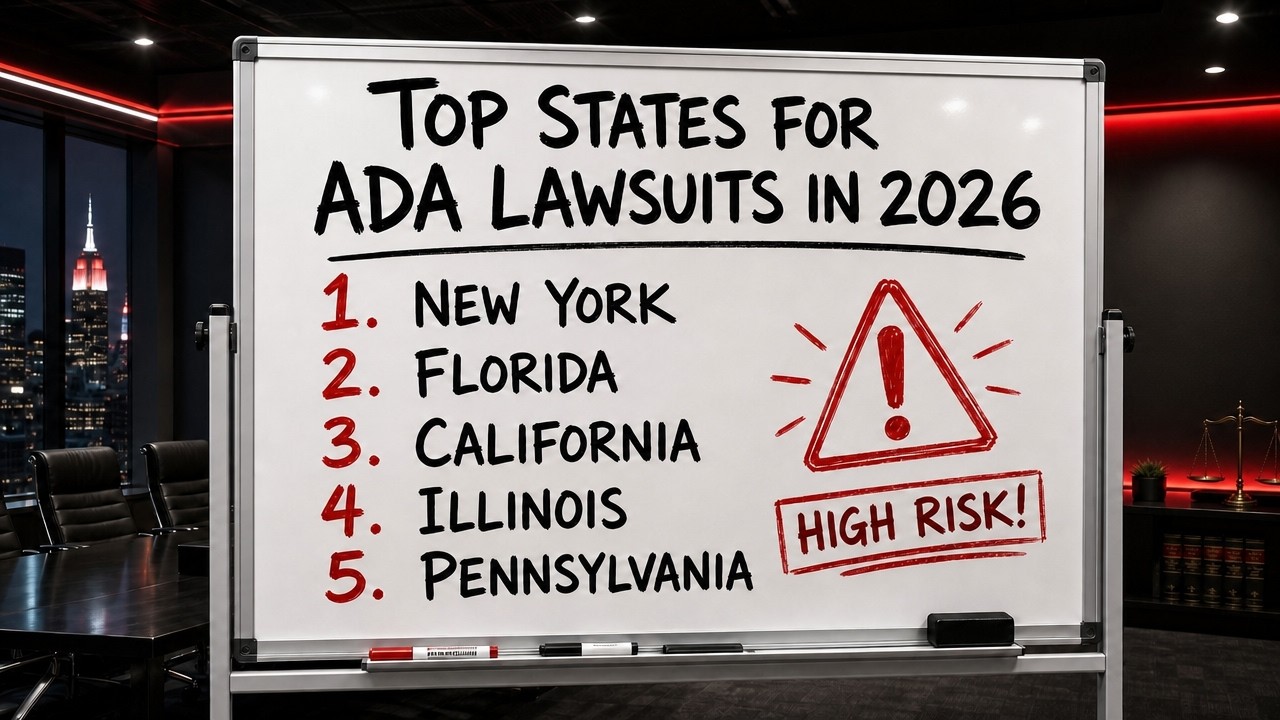
California consistently ranks among the top states for ADA-related lawsuits, with thousands of cases filed annually. The Unruh Act amplifies this risk by providing additional grounds for legal action and allowing for statutory damages that can significantly impact your bottom line.
Understanding the Legal Framework
The Americans with Disabilities Act (ADA)
The ADA is federal legislation requiring places of public accommodation to provide equal access to individuals with disabilities. Title III of the ADA governs private businesses and mandates compliance with specific architectural and operational standards.
Key ADA requirements include:
Physical accessibility through ramps, accessible parking, and proper door widths
Effective communication via auxiliary aids and services
Policy modifications to accommodate individuals with disabilities
Website accessibility following WCAG 2.1 AA standards
California's Unruh Civil Rights Act
The Unruh Act provides broader protections than federal law and includes stricter enforcement mechanisms. This state law prohibits discrimination in business establishments and allows for enhanced remedies not available under the ADA.
Critical Unruh Act provisions include:
Statutory damages of $4,000 minimum per violation
Attorney's fees recovery for prevailing plaintiffs
Broader definition of public accommodations
Lower threshold for establishing violations
Key Differences Between Federal and State Law
Understanding the distinctions between these laws is crucial for comprehensive compliance:
Remedies Available: The ADA primarily provides injunctive relief requiring compliance modifications. The Unruh Act allows for monetary damages, making it more attractive to plaintiffs' attorneys.
Standing Requirements: Federal ADA cases require plaintiffs to demonstrate intent to return to the business. California's Unruh Act has more lenient standing requirements, enabling broader litigation exposure.
Statute of Limitations: ADA claims must be filed within two years, while Unruh Act claims allow three years for filing suit.
Common Violation Types in California
California businesses frequently encounter litigation involving these accessibility issues:
Physical Barriers
Inadequate parking space dimensions or signage
Non-compliant restroom facilities
Improper counter heights at service areas
Missing or incorrectly installed grab bars
Digital Accessibility
Websites lacking screen reader compatibility
Missing alternative text for images
Inaccessible online forms and navigation
Non-compliant mobile applications
Service and Policy Issues
Refusal to allow service animals
Inadequate staff training on disability accommodations
Discriminatory policies affecting disabled customers
Ensuring Business Compliance
Proactive compliance strategies can significantly reduce litigation risk:
Conduct Professional Accessibility Audits
Engage certified accessibility professionals to evaluate your physical premises and digital properties. Comprehensive audits identify vulnerabilities before they result in legal action.
Implement Staff Training Programs
Train employees on disability awareness, accommodation procedures, and customer service best practices. Well-trained staff prevent discrimination incidents that often trigger lawsuits.
Establish Accessibility Policies
Develop written policies addressing service animal accommodations, auxiliary aid provision, and complaint resolution procedures. Clear policies demonstrate good faith compliance efforts.
Regular Compliance Monitoring
Schedule periodic accessibility reviews to maintain compliance as regulations evolve. Ongoing monitoring prevents regression and identifies new requirements.
Essential Compliance Resources
California Commission on Disability Access: Provides guidance on state accessibility requirements and certification programs for businesses demonstrating compliance efforts.
U.S. Department of Justice ADA Resources: Offers comprehensive technical assistance materials, including industry-specific compliance guides and regulatory updates.
International Association of Accessibility Professionals: Provides training and certification for accessibility professionals and technical resources for businesses.
Protecting Your Business Through Strategic Compliance
California's dual legal framework creates significant exposure for non-compliant businesses. The combination of federal ADA requirements and enhanced state law remedies makes proactive compliance essential for protecting your business interests.
Immediate action is crucial if you've received legal notice of accessibility violations. Engaging experienced legal counsel specializing in ADA defense can help minimize damages and ensure effective compliance strategies. The cost of proactive compliance is substantially less than litigation expenses, which typically include attorney's fees, settlement amounts, and ongoing compliance modifications.
Successful businesses recognize accessibility compliance as both a legal obligation and business opportunity, creating inclusive environments that serve all customers while reducing litigation risk.













ILLEGAL EVICTION, REDUCTION OF SERVICESILLEGAL EVICTION, REDUCTION OF SERVICES, IL3GAL UNIT, , LACK OF NOTICES (rent control) MISSING COPY OF REGISTRATION, BREACH OF PEACEFUL ENJOYMENT AGREEMENT
DEATH THREATSWHETHER THEY DO IT OR NOTWHETHER THEY DO IT OR NOT THE THREATENING ACHIEVEMENT I WILL LIGHTLY I UNDERSTAND HIS INTENTION, BECAUSE I TAKE HIS STATEMENT AS A FIRM THREATFIRM THREAT, FIRST IMMEDIATE£ FIRST IMMEDIATE, (right to complaint Friday, January 30, 2026Friday, January 30, 2026 was an action VERBALVERBAL, PHYSICAL INTENDED INTENDED FOR: controlling INTENDED TO: control, dominate,eitheror intimidateVANDALISM
NO HEATING NO HEATING IN WINTER s a s This is an emergency that must be resolved within 48 hours.