
Accessible Website Design Wins the SEO Race
Accessible e-commerce websites rank higher in search results because the same structural elements that assist users with disabilities—alt text, semantic headings, keyboard navigation, and clear site architecture—also help search engines index and understand your content. Businesses that invest in accessibility reduce ADA litigation exposure while simultaneously improving organic visibility and conversion rates.
E-commerce owners facing mounting pressure to comply with the Americans with Disabilities Act (ADA) often view accessibility as a defensive cost center: something to fix only after a demand letter arrives. That mindset overlooks a significant business advantage. Accessible design and search engine optimization (SEO) share the same technical foundation. When you build a website that works for users with disabilities, you build a website that performs better in search results.
For small and medium businesses with limited legal and technical resources, this overlap matters. Instead of treating ADA compliance and SEO as separate line items, you can address both with a single, cost-effective strategy.
What makes accessible website design and SEO technically identical?
Search engines and assistive technologies—like screen readers—both need to understand your content without relying on visual cues alone. They accomplish this through the same underlying code:
Alt text for images: Screen readers announce alt text to users with visual impairments. Search engine crawlers use the same text to index image content and context.
Semantic HTML headings: Proper H1, H2, and H3 tags help screen reader users navigate a page logically. They also signal content hierarchy to search engines, improving how your pages are ranked for relevant queries.
Descriptive link text: "Click here" tells neither a screen reader user nor a search engine anything useful. "View our women's running shoes" does both.
Keyboard navigability: Sites that function without a mouse are easier for assistive technology users to browse. They also tend to have cleaner, more crawlable code structures.
This shared foundation means an accessibility audit often doubles as a technical SEO audit, giving you two forms of risk mitigation for one investment.
How does accessibility improve conversion rates for e-commerce businesses?
Accessible website design expands your addressable market. According to the CDC, roughly 1 in 4 U.S. adults lives with a disability. If your product pages, checkout flow, or navigation menus are inaccessible, you are turning away a substantial share of potential customers before they ever reach checkout.
Beyond the ethical and legal case, accessible sites tend to load faster, display more clearly on mobile devices, and offer more intuitive navigation—all factors that reduce bounce rates and support higher conversion rates across your entire customer base, not just users with disabilities.
Does fixing accessibility issues help defend against ADA lawsuits?
Yes. Title III of the ADA requires that places of public accommodation—a category courts have increasingly extended to commercial websites—be accessible to individuals with disabilities. If your business has already received a demand letter or lawsuit notice, documented remediation efforts can strengthen your defense and demonstrate good-faith compliance.
Choose a proactive accessibility audit if avoiding future litigation matters more to you than short-term cost savings. Choose reactive, lawsuit-triggered fixes only if budget constraints leave no alternative—understanding that this approach carries higher legal exposure and repeat-litigation risk.
What should a business owner prioritize first?
Run a compliance audit. Identify gaps against the Web Content Accessibility Guidelines (WCAG) 2.1, the standard most courts and regulators reference.
Fix high-impact issues first. Prioritize alt text, heading structure, and keyboard navigation—changes that improve both accessibility and SEO performance quickly.
Train your team. Staff who understand accessibility basics prevent new violations from creeping into future content and product updates.
Monitor continuously. Compliance is not a one-time project. Ongoing monitoring tools catch new issues before they become legal liabilities.
Resolve Risk and Improve Visibility in One Move
Accessibility and SEO are not competing priorities fighting for the same limited budget. They are two outcomes of the same disciplined approach to website structure. Businesses that treat accessibility as a core design principle—not an afterthought triggered by litigation—protect their reputation, reduce legal risk, and capture more organic traffic in the process.
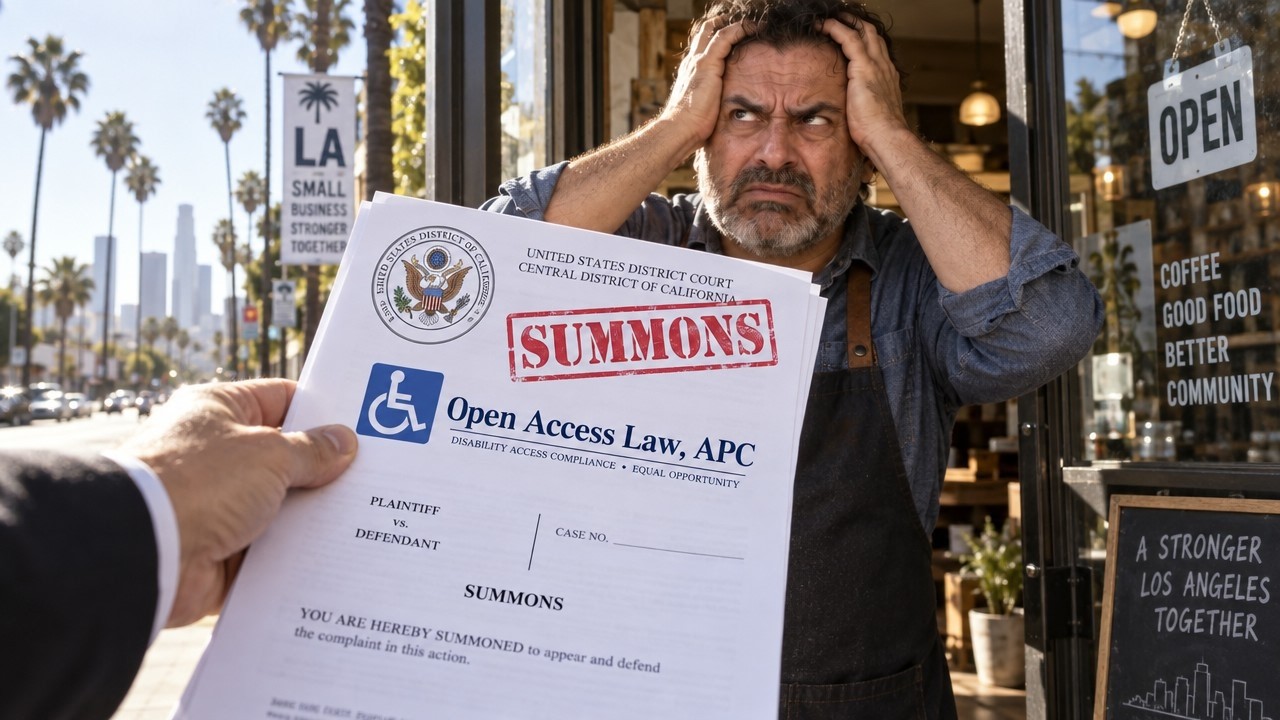
If your business has received an ADA-related demand letter or lawsuit, don't wait to act. Consult with an experienced ADA defense attorney to assess your exposure and build a remediation plan that addresses both compliance and competitive performance.
Frequently Asked Questions
Is website accessibility legally required for e-commerce businesses? Courts have increasingly applied Title III of the ADA to commercial websites, particularly those connected to physical retail locations. Requirements vary by jurisdiction, so consult legal counsel to assess your specific risk.
How much does an ADA compliance audit typically cost? Costs vary based on site size and complexity, but audits are generally far less expensive than defending an ADA lawsuit, which can include legal fees for both parties and potential damages.
Will accessibility fixes slow down my website? No. Most accessibility improvements—like semantic code and optimized alt text—improve page load speed and technical performance rather than hindering it.
What happens if I ignore an ADA demand letter? Ignoring a demand letter typically increases legal risk and may result in a formal lawsuit. Prompt consultation with an ADA defense attorney helps you understand your options and potential defenses.



















Comments