
ADA Demand Letter or Lawsuit? Do These 5 Things First.
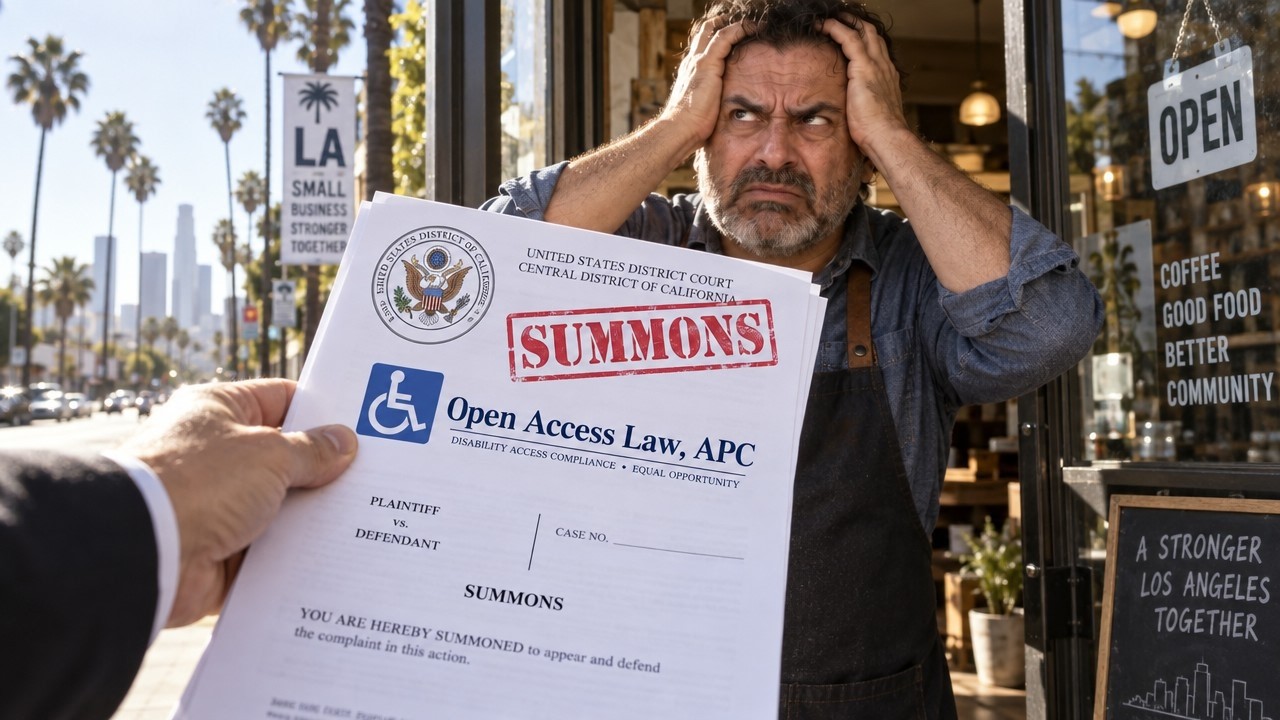
If you've received an ADA demand letter or lawsuit, don't ignore it and don't respond without counsel. Preserve the letter, avoid contacting the plaintiff, document your website's current state, consult an ADA defense attorney immediately, and begin a compliance audit. Acting fast protects your legal position and limits financial exposure.
Receiving an ADA demand letter or lawsuit notice is unsettling, especially if you've never faced a legal challenge before. Many small and medium business owners don't realize their website could be a target until a letter arrives claiming it violates Title III of the Americans with Disabilities Act.
The good news: how you respond in the first 48 hours can significantly affect the outcome. Businesses that act quickly and strategically often resolve these claims faster and for less money than those who panic or ignore the notice entirely.
This guide walks through the critical first steps to take after receiving an ADA website lawsuit or demand letter, so you can protect your business, your budget, and your reputation.
What should I do immediately after receiving an ADA demand letter or lawsuit?
Don't ignore the letter. ADA demand letters and lawsuits don't go away on their own, and failing to respond within the specified timeframe can result in default judgments or escalated legal action.
Don't contact the plaintiff or their attorney directly. Anything you say could be used against your business later. Let your legal counsel handle all communication.
Preserve the letter and any related documentation. Keep the original demand letter, envelope, email, or court filing. Note the date you received it, as deadlines typically begin counting from that moment.
Avoid making immediate changes to your website without guidance. While it may seem logical to fix the issue right away, uncoordinated changes can sometimes create new vulnerabilities or inadvertently admit fault. Work with a professional to prioritize changes strategically.
Why do businesses receive ADA website lawsuits?
Title III of the ADA requires businesses that serve the public, known as "places of public accommodation," to make their goods and services accessible to people with disabilities. Courts have increasingly interpreted this requirement to extend to websites, particularly those offering products, services, or information to the public.
Common accessibility gaps that trigger demand letters include:
Missing alt text on images, which prevents screen readers from describing visual content
Poor color contrast that makes text difficult to read for visually impaired users
Forms and buttons that aren't keyboard-navigable
Videos without captions or audio descriptions
Inaccessible PDF documents
Serial plaintiffs and their attorneys often scan websites using automated accessibility tools, then send demand letters to multiple businesses in the same industry or region. If you've received a letter, you may not be alone. Many business owners discover that competitors in their area have faced similar claims.
Should I hire an ADA defense attorney right away?
Yes. Consulting an experienced ADA defense attorney should be one of your first calls after receiving a demand letter or lawsuit. ADA litigation involves specific procedural rules, defense strategies, and settlement considerations that differ significantly from other types of business disputes.
An ADA defense attorney can:
Evaluate whether the plaintiff has legal standing to bring the claim
Identify procedural deficiencies in the demand letter or complaint
Negotiate settlement terms that limit your financial exposure
Coordinate remediation efforts that satisfy legal requirements without unnecessary cost
Represent your business in court, if necessary
Choose an attorney if your business lacks in-house legal resources or compliance expertise, which describes most small and medium businesses facing their first ADA claim. A defense attorney familiar with ADA litigation in your jurisdiction can often resolve claims more efficiently than general counsel unfamiliar with these cases.
How much does it cost to resolve an ADA website lawsuit?
Costs vary depending on the complexity of the claim, your jurisdiction, and whether the matter settles or proceeds to litigation. Generally, resolving an ADA lawsuit involves:
Your own attorney's fees
The plaintiff's attorney's fees, which many states require the losing or settling party to cover
Possible statutory damages, depending on state law
The cost of website remediation to achieve compliance
While these costs can add up, settling early and investing in genuine accessibility improvements is typically far less expensive than prolonged litigation. Choose early resolution if your primary concern is controlling costs. Choose a more defensive posture if you have strong grounds to challenge the plaintiff's standing or the claim's validity.
Can I fix my website myself to avoid a lawsuit escalating?
Businesses should not attempt sweeping changes without professional guidance before consulting their attorney. However, once your legal strategy is underway, a formal ADA compliance audit is the right next step.
An audit typically reviews your website against the Web Content Accessibility Guidelines (WCAG), the technical standard most courts and regulators reference when evaluating ADA compliance. The audit should identify specific, actionable fixes, such as adding alt text, improving navigation, and ensuring compatibility with screen readers.
Pairing a compliance audit with staff training ensures your team understands how to maintain accessibility standards going forward, reducing the risk of future claims.
What happens if I ignore an ADA demand letter?
Ignoring a demand letter rarely makes the problem disappear. If the plaintiff proceeds to file a lawsuit, your business may face default judgment, higher legal costs, and a more difficult negotiating position. Courts generally view early, good-faith engagement favorably, which can work in your favor during settlement discussions.
Protect Your Business: Act on an ADA Demand Letter Today
An ADA demand letter or lawsuit can feel overwhelming, but it's manageable with the right approach. Preserve your documentation, avoid direct contact with the plaintiff, consult an experienced ADA defense attorney, and begin the audit process to identify and resolve compliance gaps.
Taking these steps quickly protects your legal standing, limits unnecessary costs, and helps safeguard your business's reputation. The sooner you engage qualified legal support, the sooner you can resolve the matter and refocus on running your business.
Frequently Asked Questions
Is responding to an ADA demand letter required by a specific deadline? Deadlines vary by jurisdiction and whether you've received a demand letter or a formal lawsuit. Court filings typically carry strict deadlines, often 20 to 30 days, to file a response. Consult an attorney immediately to confirm the applicable timeline for your situation.
Will settling an ADA claim mean admitting my business did something wrong? Not necessarily. Many settlements include language clarifying that the business admits no wrongdoing. Your attorney can negotiate terms that resolve the matter without a formal admission of liability.
Can I be sued again after fixing the ADA compliance issues identified in a lawsuit? Resolving a current claim doesn't guarantee immunity from future lawsuits over unrelated accessibility issues. Ongoing monitoring and staff training help reduce this risk by ensuring your website stays compliant as content and technology change.
Who is at risk of receiving an ADA website demand letter? Any business with a public-facing website that offers goods, services, or information can be targeted, regardless of size or industry. Small and medium businesses are frequently targeted because they often lack dedicated compliance resources.


















Comments