
When Does Website Accessibility Help Cross Into Unlicensed Legal Advice?
Website accessibility companies cross into the unauthorized practice of law when they interpret ADA regulations for your specific legal situation, draft legal defense strategies, or advise you on litigation risk instead of sticking to technical remediation. If a vendor promises to "resolve your lawsuit" or tells you what a court will decide, you're dealing with unlicensed legal advice — not an accessibility fix.
If your business has received an ADA demand letter or lawsuit, you've likely been approached by accessibility vendors promising fast fixes and legal protection. Some of these companies deliver exactly what they claim: technical audits, remediation code, and ongoing monitoring tools. Others may overstep their expertise, offering legal interpretations and litigation strategy they are not licensed to provide. Understanding where that line sits protects your business from compounding one problem — a lawsuit — with another: relying on bad legal guidance from an unlicensed source.
What Counts as the Unauthorized Practice of Law?
The unauthorized practice of law, commonly called UPL, occurs when a non-attorney provides legal advice, drafts legal documents, or represents a party's legal interests without a license. Every state defines UPL slightly differently, but the core principle is consistent: only licensed attorneys can apply law to a specific set of facts and advise a client on legal risk or strategy.
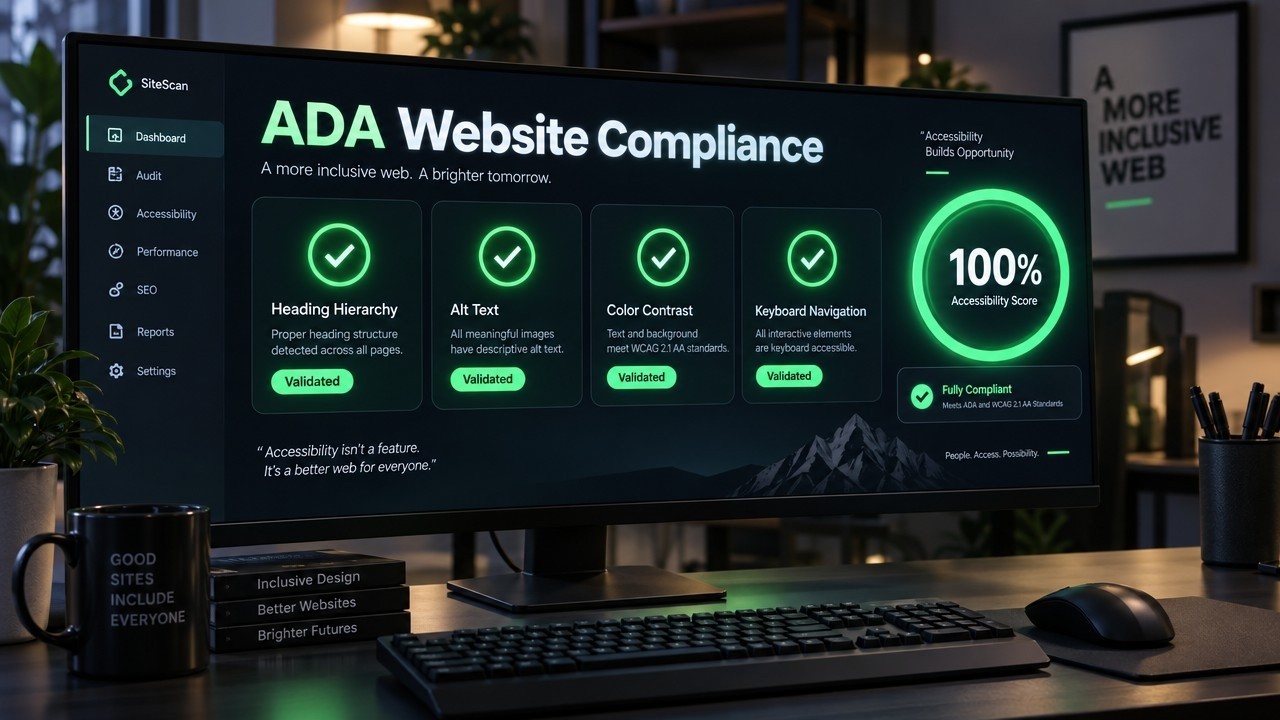
In the ADA compliance space, this line can get blurry fast. Technical remediation, like fixing alt text, color contrast, or keyboard navigation, is not legal advice. It's web development informed by accessibility standards like the Web Content Accessibility Guidelines (WCAG). But the moment a vendor tells you whether your business is "ADA compliant" in a legal sense, predicts your odds in court, or advises you on how to respond to a demand letter, they've moved from technical service into legal counsel.
What Are the Warning Signs of a Website Accessibility Vendor Overstepping Into Legal Advice?
Watch for these red flags when evaluating an accessibility vendor after receiving a demand letter or lawsuit:
They claim their product guarantees legal immunity. No overlay, audit, or remediation plan can promise you won't be sued again. Anyone with four hundred dollars for a filing fee can file a lawsuit, whether it has merit or not. Vendors who claim otherwise are making a legal assurance they aren't qualified to make.
They tell you how to respond to a demand letter or lawsuit. Drafting or recommending a legal response strategy is attorney work.
They interpret court rulings or regulations on your behalf. Explaining how a specific case applies to your business requires legal analysis, not technical expertise.
They offer to "settle" matters with plaintiffs' counsel. Negotiating legal claims is representation, which requires a bar license.
They discourage you from hiring an attorney. A legitimate accessibility company will recommend you consult legal counsel, not replace one.
Why Does This Distinction Matter for Your Business?
Relying on unlicensed legal advice carries real risk. If an accessibility vendor advises you incorrectly on legal strategy and your case worsens, you have limited recourse, since that vendor likely isn't bound by the same malpractice standards, insurance requirements, or ethical rules as a licensed attorney. Worse, courts and opposing counsel won't excuse mistakes because "a vendor told us this was fine."
The smart approach is for a law firm to guide your compliance with ADA laws by working with technical experts to fix accessibility problems, and then evaluating your business, home state, and other relevant legal factors to provide a legal opinion on the state of your website accessibility. Of course, always hire a qualified ADA defense attorney to evaluate your legal exposure, respond to any lawsuit or demand, and build an appropriate defense strategy.
Hire an accessibility vendor, ideally one who works directly with your lawyer's office, to handle the technical remediation your legal strategy calls for. This approach protects you legally while still resolving the accessibility gaps that triggered the complaint.
How Should You Choose an Accessibility Vendor After an ADA Lawsuit?
Choose a vendor focused strictly on technical compliance if your legal defense is already handled by counsel. Choose a law firm with ADA litigation experience first if you haven't yet consulted an attorney, since they can assist to coordinate remediation work as part of a broader defense strategy. This sequencing matters: fixing your website without addressing the underlying lawsuit leaves you legally exposed, while hiring a lawyer first ensures remediation efforts support, rather than complicate, your legal position.
Protect Your Business With the Right Combination of Legal and Technical Support
An ADA lawsuit demands both legal defense and genuine accessibility improvements. A qualified ADA defense attorney protects your legal interests, challenges standing where appropriate, and negotiates on your behalf. A reputable accessibility vendor implements the technical fixes your legal strategy requires. If you've received a demand letter or lawsuit, consult an experienced ADA defense attorney before engaging any vendor that promises legal advise or assistance that they cannot lawful provide.
Frequently Asked Questions
Can an accessibility overlay company legally represent me in an ADA lawsuit? No. Overlay and accessibility vendors are not licensed to represent you in legal proceedings. Only a licensed attorney can negotiate with plaintiffs' counsel, file court documents, or represent your interests in litigation.
What should I do first after receiving an ADA demand letter? Consult a licensed ADA defense attorney before responding or signing anything. An attorney can evaluate the validity of the claim, advise you on standing challenges, and coordinate any necessary accessibility remediation.
Are there risks to ignoring the difference between legal advice and technical remediation? Yes. Acting on legal guidance from an unlicensed vendor can lead to missed deadlines, weakened defenses, or settlements made without proper legal review, all of which can increase your financial and legal exposure.

















Comments