
ADA Website Compliance Is More Than Technical Fixes
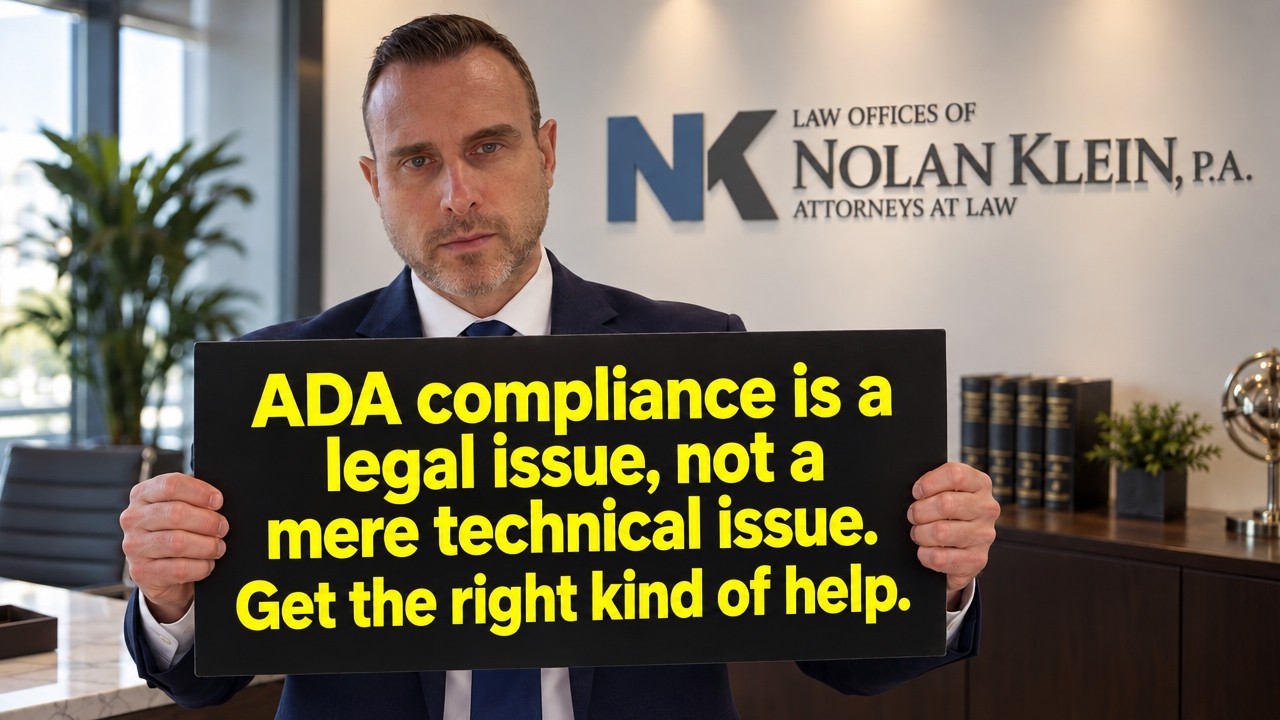
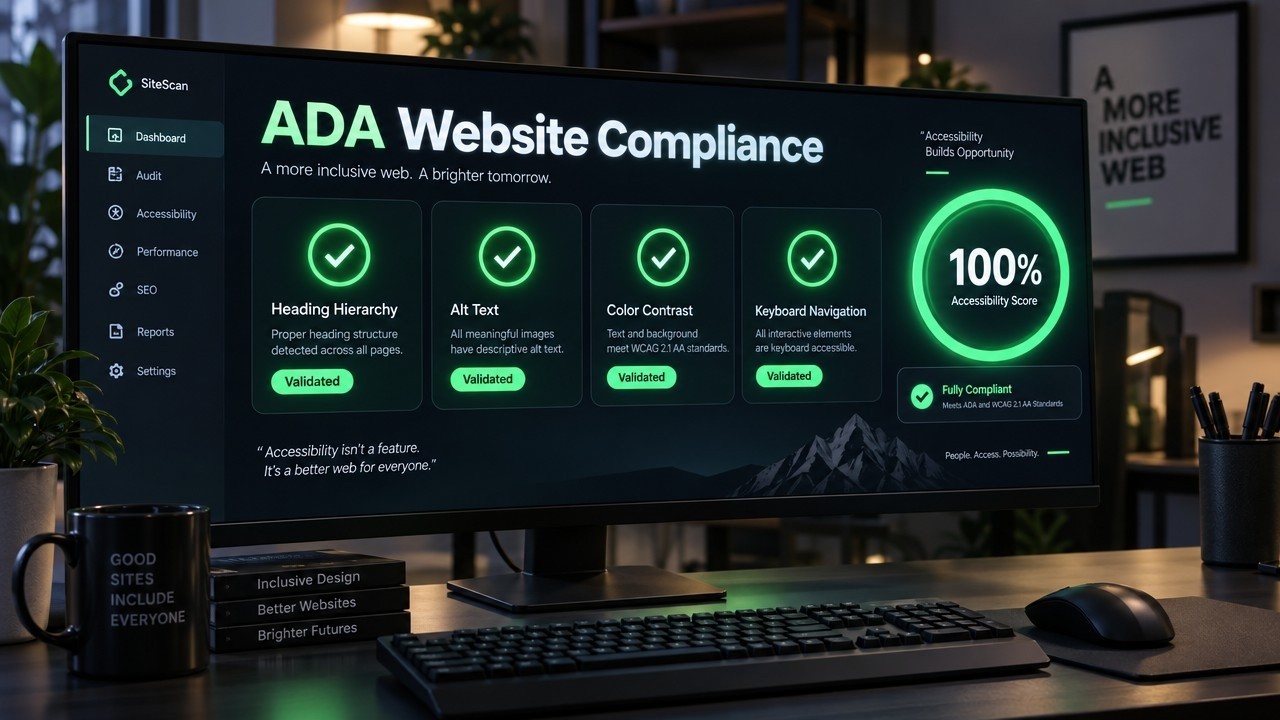
Technical accessibility compliance reduces legal exposure, but it doesn't guarantee lawsuit immunity. Businesses need both proactive accessibility remediation and experienced legal defense to protect themselves. Most accessibility vendors offer compliance tools but cannot legally offer legal representation or legal advice (even if they irresponsibly do that anyways), leaving businesses exposed when lawsuits arise despite their best efforts.
Businesses investing in ADA website compliance often assume that fixing accessibility issues is enough to avoid litigation. It isn't. Serial plaintiffs and their attorneys file thousands of ADA website lawsuits each year, often targeting businesses that have already made good-faith compliance efforts. Without legal defense strategy paired with technical remediation, businesses remain vulnerable.
This gap exists because most accessibility vendors specialize in one thing: fixing code. They scan websites, flag violations, and recommend fixes. What they don't do is defend businesses once a demand letter or lawsuit arrives - even if they promise to do that, they are not legally able or competent to do so. That's a fundamentally different skill set, requiring litigation experience, not just technical knowledge of WCAG standards.
Why does technical compliance alone fail to prevent lawsuits?
Technical website compliance lowers risk but doesn't eliminate it. Plaintiffs' attorneys frequently file suits based on outdated website snapshots, automated scans that produce false positives, or technical violations unrelated to genuine accessibility barriers. A business can be substantially compliant and still face a demand letter.
Additionally, the ADA itself doesn't contain explicit website accessibility regulations. Courts have applied the ADA to websites through interpretation, which means compliance standards vary by jurisdiction. A business compliant under one court's interpretation may still be vulnerable under another's - something no website accessibility company is able to advise about.
What's missing from most ADA website compliance services?
Most accessibility companies provide:
Automated or manual website scans
Code remediation recommendations
WCAG 2.1 or 2.2 conformance reports
Ongoing monitoring tools
What they can't provide is legal representation. When a demand letter arrives, accessibility vendors generally refer clients elsewhere (even after promising that they will assist), leaving businesses to scramble for litigation counsel while the clock on response deadlines ticks down.
This disconnect means businesses often pay for compliance services and then pay separately—and at a premium, under time pressure—for legal defense. Choose a provider who combines both services if minimizing total legal and compliance costs matters more than working with separate specialists.
How does combining compliance and legal defense protect a business?
Pairing ADA website remediation with dedicated lawsuit defense addresses both sides of the risk equation. On one side, genuine accessibility improvements reduce the likelihood of a valid claim. On the other, legal defense capability means a business isn't starting from zero when litigation hits.
ADA defense attorneys, for example, use several strategies to challenge ADA claims, including:
Challenging the plaintiff's standing by disputing that they suffered actual injury or harm
Demonstrating good-faith remediation efforts already underway
Negotiating settlements that avoid costly, prolonged litigation
Identifying procedural deficiencies in the plaintiff's complaint
A business represented by counsel with both accessibility knowledge and litigation experience can respond faster and more effectively than one relying solely on a compliance vendor with no legal bench.
Who should prioritize combined compliance and defense services?
Businesses with public-facing websites that handle e-commerce, process payments, or offer services to the general public face the highest litigation exposure. This includes retail businesses, restaurants, hospitality companies, and professional service providers. Businesses in Texas, California, Florida, and New York face particularly high volumes of ADA website litigation due to concentrated plaintiff's bar activity in these states.
If a business has already received a demand letter or lawsuit, legal defense takes priority over compliance remediation. Choose a provider who can act immediately on the legal front, since compliance deadlines typically carry less urgency than court filing deadlines.
Protect Your Business on Both Fronts
ADA website compliance and lawsuit defense are not interchangeable services. A business needs both: technical remediation to reduce future risk and experienced legal representation to handle claims that arise regardless of compliance efforts.


















Comments