
Willie Macon ADA Website Demands and Lawsuits
Willie Macon is an ADA plaintiff who has sent demand letters and filed lawsuits against many Florida businesses, alleging their websites are inaccessible to visually impaired users under Title III of the Americans with Disabilities Act. If you've received a demand or complaint bearing his name, don't panic or ignore it. Consult an ADA defense attorney immediately, preserve your website's current state, and begin a compliance audit before responding.
ADA plaintiffs file dozens, sometimes hundreds, of near-identical lawsuits against small and medium-sized businesses each year. Willie Macon is one such name that has appeared in website accessibility claims. These demands typically allege that a business's website fails to meet the Web Content Accessibility Guidelines (WCAG), making it difficult or impossible for blind or low-vision users to navigate using screen-reading software.
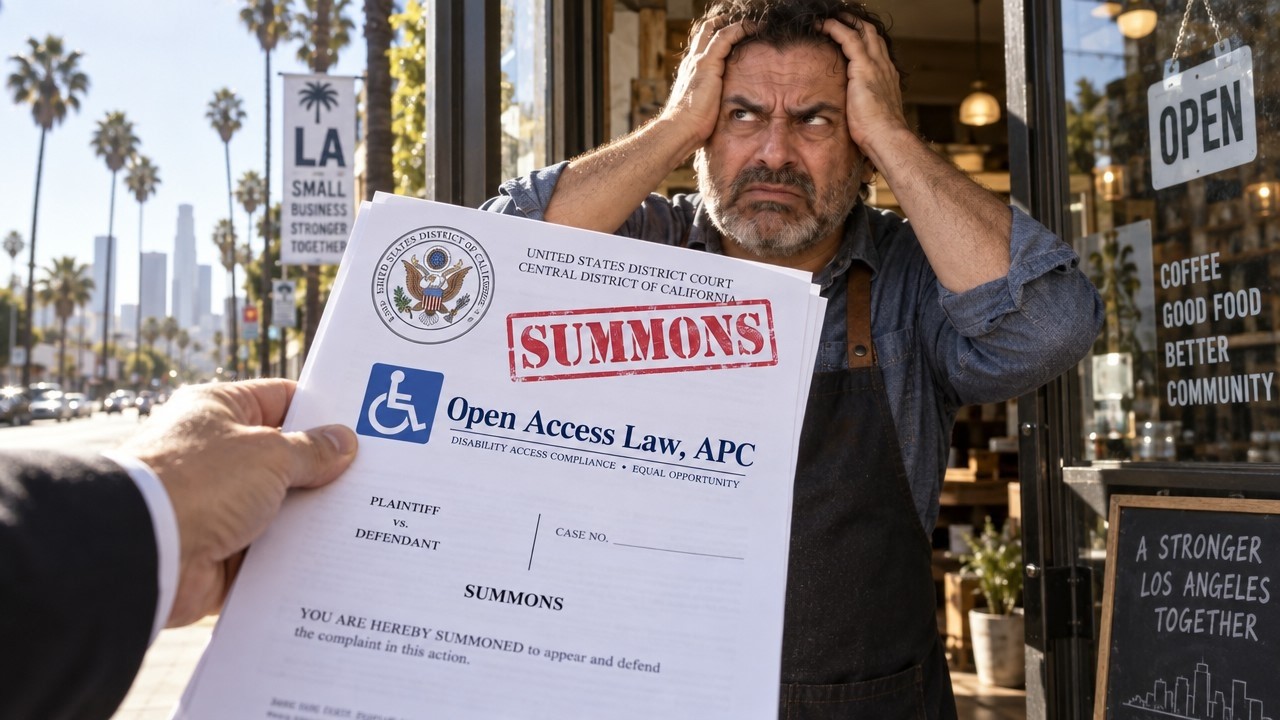
For business owners, a letter like this can feel like a punch to the gut. You're already stretched thin managing daily operations, and now you're facing unfamiliar legal language, tight deadlines, and the threat of costly litigation. The good news: you have options, and acting quickly with the right strategy can significantly limit your exposure.

Why Are ADA Plaintiffs Targeting Business Websites?
Website accessibility lawsuits have surged over the past several years, largely because the Department of Justice has never issued formal regulations specifying exactly what makes a website ADA-compliant. This regulatory gap has created an opening for plaintiffs' attorneys to file repeat lawsuits using similar language, often citing the same handful of named plaintiffs across multiple cases in a given jurisdiction.
These cases typically allege barriers such as:
Missing alt text on images, preventing screen readers from describing visual content
Inaccessible navigation menus that can't be operated with a keyboard
Low color contrast that makes text difficult to read
Forms and buttons that lack proper labeling for assistive technology
What Should You Do If You Receive a Demand or Lawsuit From Willie Macon?
Don't ignore the letter. Ignoring an ADA demand rarely makes it disappear — it typically escalates to a filed lawsuit, which increases your legal costs substantially.
Consult an ADA defense attorney right away. An experienced attorney can evaluate whether the plaintiff has standing to sue, review the specific accessibility claims, and advise you on the strongest defense strategy for your situation.
Order a professional accessibility audit. A third-party audit, measured against WCAG 2.1 Level AA standards, will identify genuine barriers on your site and give you documented evidence of good-faith remediation efforts.
Avoid rushing a settlement without legal counsel. Settlement amounts and ongoing compliance obligations vary widely. Make sure any demand is resolved on terms that protect your business.
How Can You Reduce the Risk of Future ADA Lawsuits?
Choose ongoing monitoring if your website undergoes frequent content updates, since new pages or features can reintroduce old barriers. Choose a one-time audit with a remediation plan if your site is relatively static and compliance maintenance will be minimal. In either case, staff training on accessible content creation helps prevent new violations from creeping in over time.
Fix identified barriers: Address the specific issues raised in the audit, starting with the most commonly litigated ones (alt text, keyboard navigation, and form labels).
Document your efforts: Keep records of audits, remediation timelines, and training sessions. This documentation can serve as evidence of good faith if a lawsuit does proceed.
Monitor continuously: Website accessibility isn't a one-time fix. Ongoing monitoring tools can flag new issues before they become legal liabilities.
Protect Your Business
A demand letter or lawsuit from an ADA plaintiff like Willie Macon is stressful, but it doesn't have to derail your business or even your day. With the right legal defense strategy and a clear compliance plan, you can resolve the immediate claim and reduce the odds of facing another one. Consult an experienced ADA defense attorney as soon as you receive a demand, and treat accessibility compliance as an ongoing priority rather than a one-time checkbox.



















Comments