
Received an ADA Website Demand Letter? Your next steps are important.
If your business received a demand letter alleging ADA website violations, don't ignore it or respond on your own. Consult an experienced ADA defense lawyer immediately to evaluate your legal options, then conduct a website accessibility audit against WCAG 2.1 Level AA standards to mitigate the risk of future claims.
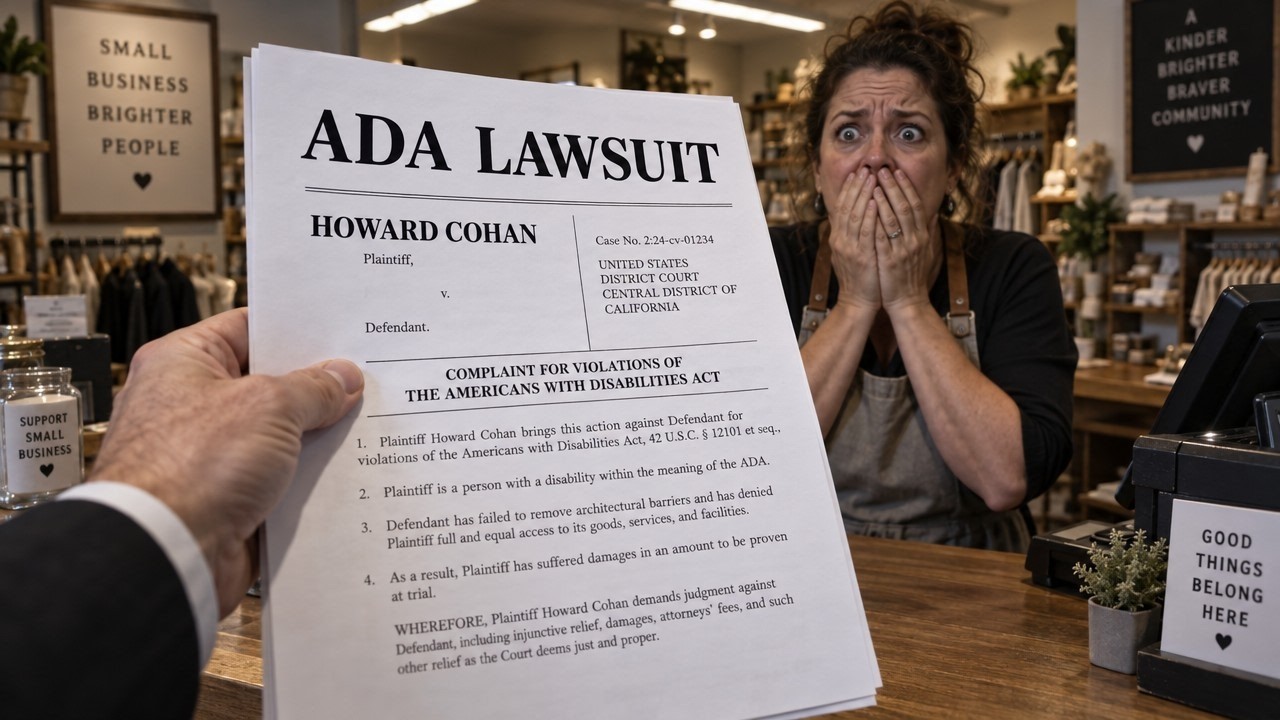
A demand letter alleging your website violates the Americans with Disabilities Act (ADA) can feel like a gut punch. You're already juggling day-to-day operations, and now you're facing an unfamiliar legal threat with real financial and reputational stakes. Take a breath—this is a common situation, and there's a clear path forward.
This guide walks you through exactly what to do when that letter arrives, so you can protect your business, resolve the immediate legal risk, and reduce the chance of facing similar claims down the road.
What should I do immediately after receiving an ADA website demand letter?
The first and most important step is to consult an experienced ADA defense lawyer before responding to the letter in any way. Do not pay a settlement demand, admit fault, or ignore the letter hoping it will go away. Each of these responses can expose your business to greater legal risk.
An attorney who focuses on Title III ADA litigation can:
Review the specific allegations and determine whether the claim has merit
Evaluate whether the plaintiff has legal standing to sue
Advise you on settlement negotiations, if appropriate
Help you avoid common missteps that could escalate costs or liability
Acting quickly matters. Many demand letters include response deadlines, and how you handle those early days can shape the outcome of the entire matter.
Why does my website need to be accessible after a demand letter?
Once you've engaged legal counsel, the next priority is addressing the accessibility issues on your website. While Title III of the ADA doesn't name a specific technical standard, courts and settlement agreements frequently reference the Web Content Accessibility Guidelines (WCAG), published by the World Wide Web Consortium (W3C), typically at the 2.1 or 2.2 Level AA benchmark.
Bringing your website into alignment with WCAG 2.1 AA can help you:
Resolve the underlying issue cited in the current claim
Mitigate the risk of similar claims from other plaintiffs
Protect your reputation with customers who rely on assistive technology
Demonstrate a good-faith compliance effort, which may be relevant to settlement discussions
Choose a full accessibility audit if your website hasn't been evaluated before or if the demand letter raises issues you're not confident addressing on your own. Choose targeted remediation if your lawyer identifies that only specific pages or features are implicated in the claim.
What does an accessibility audit involve?
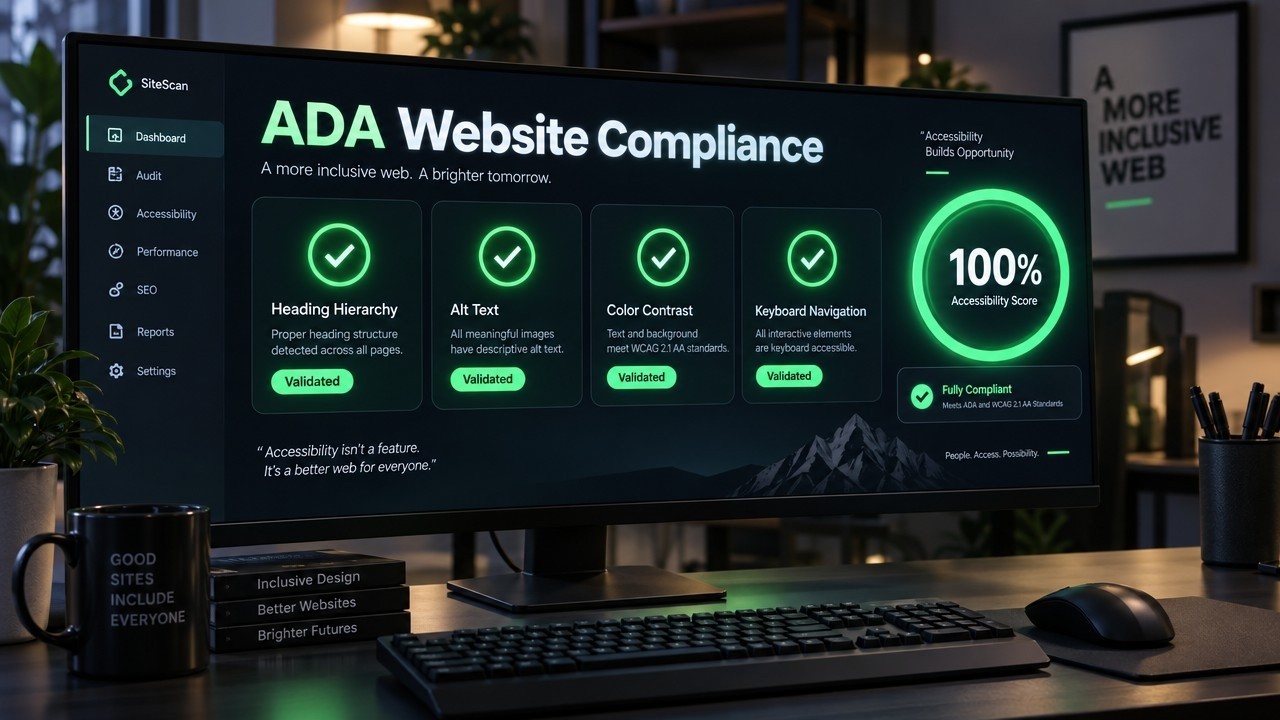
An accessibility audit typically includes both automated scanning tools and manual testing by someone familiar with assistive technologies like screen readers. The audit should evaluate:
Image alt text and multimedia captions
Keyboard navigation functionality
Color contrast and text readability
Form labels and error messaging
Compatibility with screen reader software
A thorough audit gives you a prioritized list of fixes, so your development team—or an outside vendor—can empower meaningful progress without guessing where to start.
How can I prevent future ADA demand letters?
No fix guarantees that your business will never face another claim. However, pairing legal defense with genuine accessibility improvements significantly reduces your exposure. Consider these ongoing steps:
Schedule periodic accessibility audits rather than treating compliance as a one-time project
Train staff who manage your website content on basic accessibility practices
Use monitoring tools that flag new accessibility issues as your site changes
Keep documentation of your compliance efforts, which can support your legal position if future claims arise
Protect Your Business with Legal Peace of Mind
An ADA demand letter is stressful, but it's manageable when you respond with the right strategy. Consult an experienced ADA defense lawyer before taking any action on the letter itself, then commit to a genuine accessibility audit to address the root issue. Together, these steps help you defend against the current claim and build a more resilient, compliant website going forward.
This article provides general information and is not a substitute for legal advice. Consult a qualified ADA defense attorney regarding your specific situation.
Frequently Asked Questions
Should I respond to the demand letter myself to save money? No. Responding without legal guidance can inadvertently harm your position, including admitting liability or missing procedural defenses. A consultation is a worthwhile investment compared to the cost of a mishandled response.
Will fixing my website make the lawsuit go away? Not automatically. Website remediation addresses the underlying accessibility issue and can support settlement discussions, but your lawyer will advise on how it affects your specific case.
How long do I have to respond to an ADA demand letter? Deadlines vary by letter and jurisdiction. Contact a lawyer immediately upon receipt to confirm your timeline and avoid missing any response window.
What's the difference between an ADA demand letter and a lawsuit? A demand letter is often a precursor to litigation, giving you a chance to resolve the issue before a formal complaint is filed. Treat it with the same urgency as a lawsuit.















Comments