
Do ADA Accessibility Rules Apply to Mobile Apps?
Mobile apps can fall under ADA Title III if your business operates as a "place of public accommodation." While the ADA doesn't list specific technical standards for private business apps, courts and plaintiffs' attorneys commonly use WCAG 2.1 AA as the benchmark. If you've received a demand letter or lawsuit, acting quickly with an accessibility audit and legal counsel can help limit your exposure.
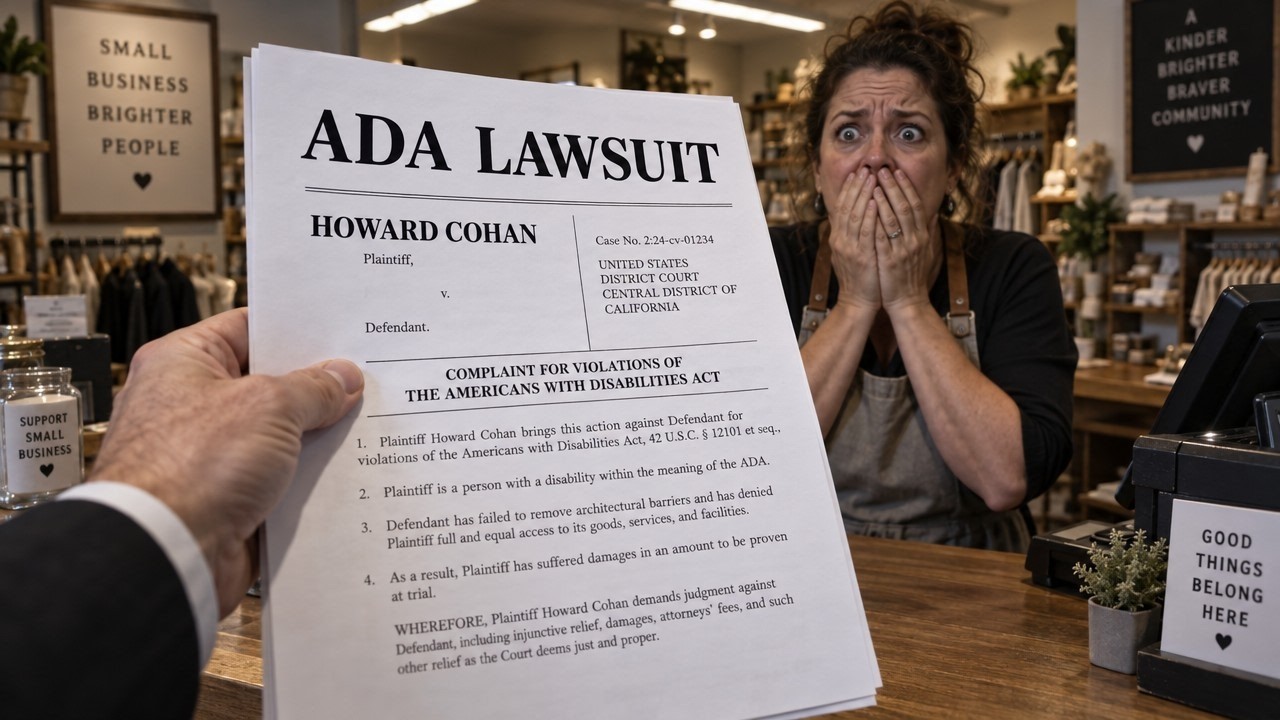
If you've just been served with an ADA lawsuit over your mobile app, you're probably feeling blindsided. Many business owners assume the ADA only applies to physical storefronts—ramps, doorways, parking spaces. But accessibility law has expanded well beyond brick and mortar, and your app may now be part of that conversation. Here's what you need to know, in plain language, so you can start making informed decisions.
Does the ADA Specifically Require Mobile App Accessibility?
Not in so many words. The ADA statute and the Department of Justice's Title III regulations don't spell out technical standards for mobile applications owned by private businesses. There's no checklist buried in the law that says "your app must do X, Y, and Z."
That said, absence of a specific rule doesn't mean absence of risk. Title III prohibits discrimination in "places of public accommodation," and many plaintiffs argue that a business's app is simply an extension of its physical or commercial services. Courts have not reached a consistent conclusion on this question nationwide—some circuits require a tighter connection ("nexus") between the app and a physical location, while others take a broader view. This is often called the circuit split, and it's a major reason why outcomes vary so much from one lawsuit to the next.
What Is WCAG, and Why Does It Keep Coming Up?
The Web Content Accessibility Guidelines (WCAG), developed by the World Wide Web Consortium (W3C), are the most widely recognized technical standard for digital accessibility. WCAG 2.1 at the AA level is commonly referenced in ADA settlement agreements, demand letters, and consent decrees involving websites and apps.
It's worth noting that in April 2024, the DOJ issued a final rule under Title II of the ADA requiring state and local government entities to meet WCAG 2.1 AA for their web content and mobile apps. This rule does not directly apply to private businesses covered by Title III. However, it reinforces WCAG as the de facto standard regulators and courts look to when evaluating digital accessibility, even outside the government context.
Decision criteria: If your business has physical locations tied to your app's services (ordering, reservations, account management), treat WCAG 2.1 AA as your practical target—regardless of which circuit you're in. If your business is purely digital, consult an ADA attorney early, since the nexus question is less settled for you.
What Should You Do If You've Been Sued?
Don't ignore the notice. Deadlines to respond are often short, and missing them can limit your options.
Consult an ADA defense attorney. Experienced counsel can assess your specific exposure, including whether your jurisdiction's nexus standard works in your favor.
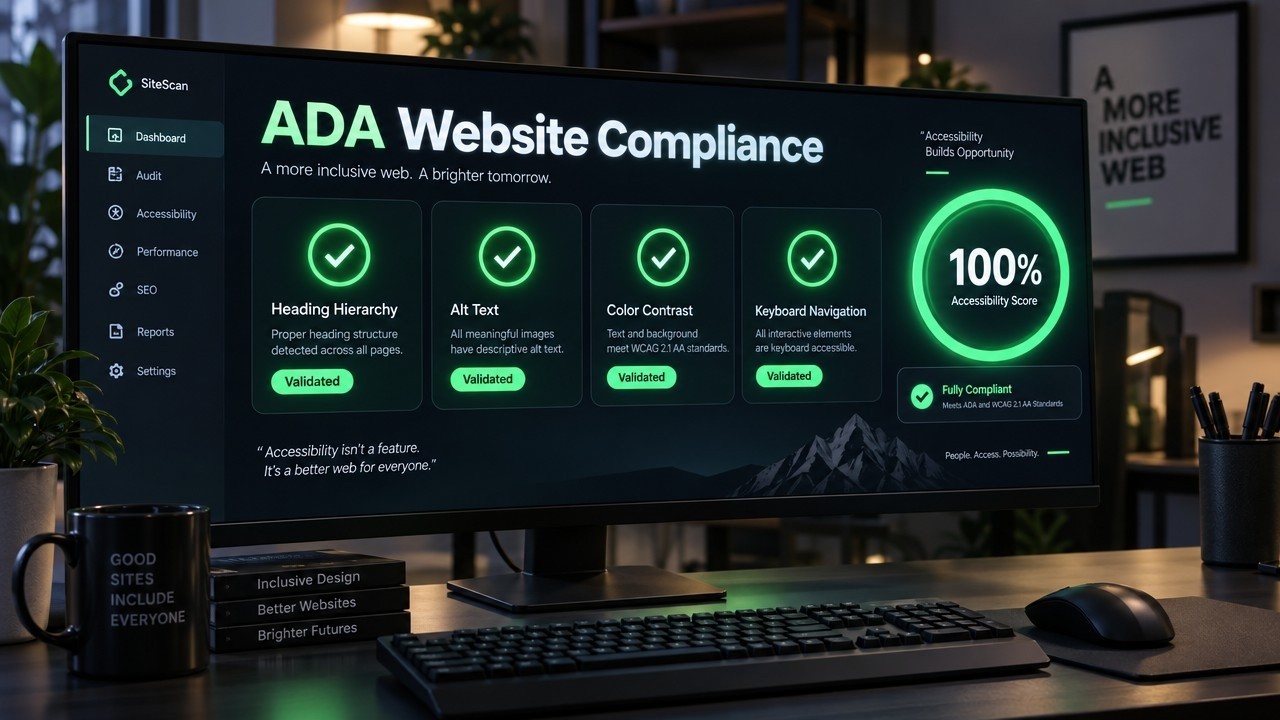
Request an accessibility audit. A professional audit of your app against WCAG 2.1 AA criteria identifies concrete gaps—screen reader compatibility, color contrast, touch target sizing, and keyboard navigation alternatives are common problem areas.
Prioritize fixes by impact and cost. Not every issue requires the same investment. An experienced auditor can help you sequence remediation to reduce legal risk without overwhelming your budget.
Document your efforts. A clear remediation plan and timeline can matter in settlement negotiations or court proceedings.
How Can You Protect Your Business Going Forward?
Once the immediate legal matter is addressed, ongoing compliance monitoring helps prevent repeat issues. This includes periodic accessibility testing after app updates, staff training on accessibility basics, and designating someone internally to stay current on regulatory changes. Consistent, documented effort toward WCAG conformance is one of the strongest positions a business can take.
Frequently Asked Questions
Does my small business have to make its app ADA compliant? If your business qualifies as a place of public accommodation under Title III, your app may be subject to ADA scrutiny, particularly if courts in your circuit find a connection between the app and your physical or commercial services. An ADA attorney can evaluate your specific situation.
What accessibility standard should I aim for? WCAG 2.1 AA is the most widely accepted benchmark referenced in ADA settlements and demand letters, even though it isn't codified as the legal requirement for private businesses.
How much does an accessibility audit cost? Costs vary based on your app's complexity and the scope of the audit. A qualified accessibility consultant can provide a quote tailored to your specific app and business size.
Can I be sued even if I didn't know about these requirements? Yes. Lack of awareness doesn't prevent a lawsuit from being filed, which is why proactive audits and legal consultation matter before a demand letter arrives.
What's the risk of doing nothing? Continued non-compliance can expose your business to additional lawsuits, legal fees, and reputational harm, especially since demand letters sometimes target multiple unresolved issues at once.
This article is for general informational purposes and does not constitute legal advice. Consult a qualified ADA attorney to evaluate the specifics of your case.














Comments